

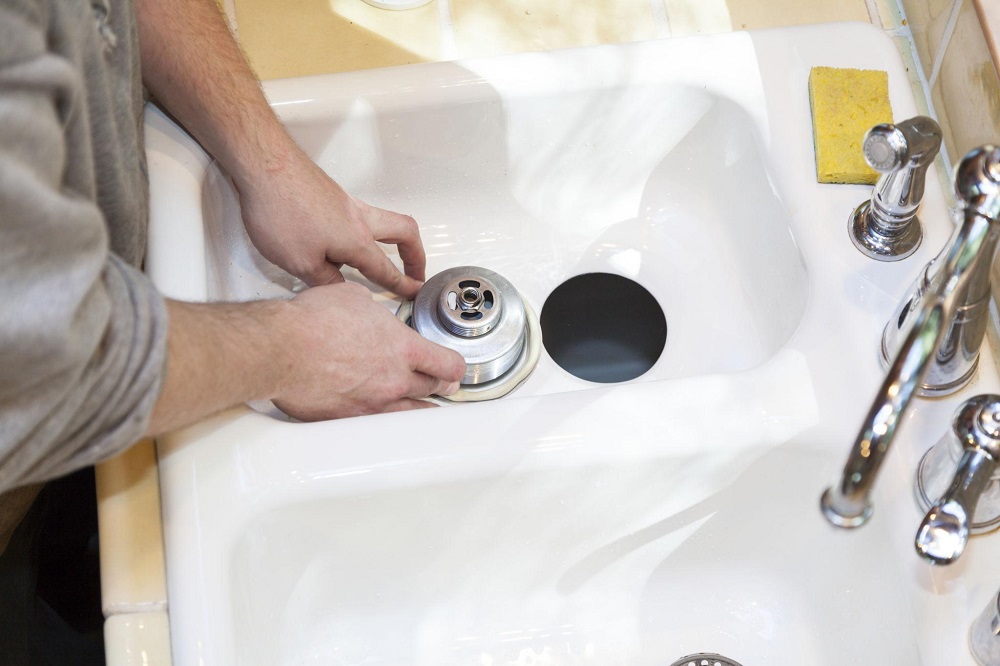
Kitchen drains handle grease, food particles, soap residue, and daily wastewater. Over time, these materials accumulate inside pipes and restrict water flow. Preventing clogs is easier and more cost effective than fixing blocked plumbing later. With a few consistent habits and practical maintenance steps, homeowners can keep kitchen drains working smoothly for years.
Understand What Causes Kitchen Drain Clogs
Most kitchen drain blockages develop gradually rather than suddenly. They form when everyday waste sticks to pipe walls and builds up over time.
Common causes include:
- Cooking oil and grease buildup
- Food scraps entering the drain
- Coffee grounds accumulation
- Soap residue mixing with minerals
- Starchy food waste like rice or pasta
Recognizing these causes helps prevent problems before they start.
Avoid Pouring Grease Into the Sink
Grease is the leading cause of kitchen drain blockage. When hot, it flows easily. Once it cools, it solidifies and sticks inside pipes.
Instead of pouring grease down the drain:
- Let it cool in a container
- Dispose of it in household waste
- Wipe oily pans with paper towels before washing
These simple actions prevent long term pipe narrowing.
Use Sink Strainers to Catch Food Particles
A sink strainer is one of the easiest and most effective prevention tools.
It helps by:
- Blocking vegetable peels
- Catching leftover food pieces
- Preventing solid waste from entering pipes
Clean the strainer daily to maintain proper drainage performance.
Flush Drains With Hot Water Regularly
Hot water helps dissolve light grease and soap residue before buildup becomes serious.
Make it a habit to:
- Run hot water after washing dishes
- Flush the drain at the end of each day
- Use warm water when rinsing oily utensils
This keeps pipes cleaner and reduces sticky deposits.
Dispose of Food Waste Properly
Even small food particles can collect and create blockages over time.
Avoid placing these items into the sink:
- Rice
- Pasta
- Eggshells
- Coffee grounds
- Fibrous vegetables like celery peels
Instead, place them in compost bins or waste containers.
Use Natural Cleaning Solutions Weekly
Routine cleaning keeps pipes clear without damaging plumbing.
A simple weekly method includes:
- Pouring hot water into the drain
- Adding baking soda
- Following with vinegar
- Flushing again with warm water
This combination loosens early buildup and removes odors.
Maintain Garbage Disposal Units Carefully
Garbage disposal units help manage food waste but require proper use.
Best practices include:
- Running cold water during operation
- Avoiding hard or fibrous food scraps
- Cleaning blades regularly
- Operating disposal briefly after grinding
Proper handling prevents internal clog formation.
Clean Sink Pipes Periodically
Even with preventive habits, some residue forms inside pipes over time.
Regular pipe maintenance helps by:
- Removing grease accumulation
- Preventing slow drainage
- Exteding pipe lifespan
- Reducing emergency plumbing needs
Cleaning under sink pipes every few months keeps the drainage system efficient.
Avoid Chemical Drain Cleaners for Routine Maintenance
Strong chemical cleaners may seem effective but can damage pipes when used frequently.
Safer alternatives include:
- Hot water flushing
- Natural cleaning mixtures
- Mechanical cleaning methods
Gentle maintenance keeps plumbing strong over time.
Recognize Early Warning Signs of Drain Blockage
Addressing small problems early prevents major clogs later.
Watch for signs such as:
- Slow draining water
- Unpleasant sink odors
- Gurgling sounds in pipes
- Water backing up slightly
Taking action early saves time and repair costs.
Encourage Daily Kitchen Drain Care Habits
Consistency plays a major role in preventing plumbing problems.
Helpful daily habits include:
- Scraping plates before washing
- Running water after dishwashing
- Cleaning sink strainers regularly
- Avoiding oil disposal through drains
Small routine actions create long lasting results.
FAQs
How often should kitchen drains be cleaned to prevent blockages
Light cleaning should be done weekly, while deeper pipe maintenance can be performed every two to three months depending on usage.
Is cold water or hot water better when using garbage disposal units
Cold water works better because it keeps grease solid so disposal blades can break it down instead of letting it coat pipes.
Can dishwashing soap contribute to drain blockage
Yes. Soap can combine with minerals in water and form residue that sticks to pipe walls over time.
Are stainless steel sink strainers better than plastic ones
Stainless steel strainers usually last longer and resist deformation, making them more reliable for daily kitchen use.
Does hard water increase the risk of kitchen drain clogs
Yes. Mineral deposits from hard water can combine with grease and soap to form stubborn buildup inside pipes.
Can frequent dishwasher use affect kitchen drain performance
Dishwashers share drainage lines with sinks in many homes, so grease and detergent residue may contribute to gradual pipe buildup.
When should professional drain cleaning be considered
Professional cleaning is recommended if slow drainage continues despite regular maintenance or if recurring blockages appear within short intervals.