

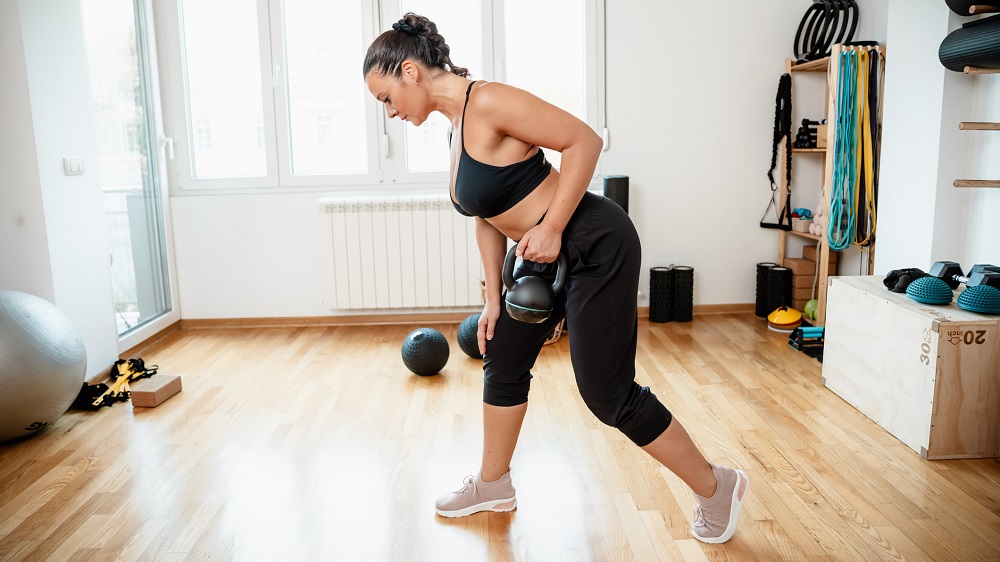
A gym workout may last an hour, but the body lives the rest of the day outside the gym. This is where many fitness routines succeed or fail. A person can train well three times a week and still feel stiff, tired, or inconsistent if their home and daily habits do not support movement. Fitness is not only what happens during a session. It is also what happens between sessions.
A good fitness trainer singapore program can help connect gym workouts with at-home movement habits. This connection makes training more effective because the body receives support throughout the week. The gym builds strength and conditioning, while home habits support mobility, recovery, posture, and daily activity.
Why the Hours Between Workouts Matter
Most people spend far more time sitting, working, commuting, and resting than exercising. These hours shape the body. Long sitting can stiffen hips. Poor desk setup can affect shoulders. Low daily movement can reduce energy. Lack of recovery can make the next workout harder.
A gym workout can create progress, but it cannot fully erase poor daily habits.
This does not mean people need to exercise all day. It simply means small movement habits can support the larger fitness plan.
Home Movement Does Not Need to Be Complicated
Many people imagine home fitness as a full workout with equipment, sweat, and long sessions. That is not always necessary. At-home movement can be short, simple, and supportive.
Examples include stretching before bed, walking after meals, mobility drills during work breaks, light core exercises, or breathing work after a stressful day.
These habits do not replace gym training. They help the body stay ready for it.
Mobility Between Sessions
Mobility work is one of the easiest ways to connect home and gym training. If a person struggles with squats, hip mobility at home may help. If pressing movements feel stiff, shoulder mobility can support progress. If lower-back tightness appears after sitting, gentle movement may help reduce stiffness.
A trainer can recommend specific mobility drills based on what they observe in the gym. This makes the home routine targeted rather than random.
The routine may take only 10 minutes, but it can improve workout quality.
Posture Habits During the Day
Posture is not fixed by one exercise. It is shaped by repeated positions. Someone who sits collapsed for eight hours may struggle to maintain good alignment during training.
At-home and workday posture habits can help. This may include raising the laptop, taking standing breaks, relaxing the shoulders, or moving the spine gently during the day.
The goal is not perfect posture all day. The goal is more movement variety.
Walking Is Underrated
Walking is one of the simplest ways to support fitness. It improves daily activity, helps recovery, supports digestion, and can reduce the mental pressure of intense workouts.
For people who train in the gym, walking on non-training days can help maintain momentum. It is also easy to fit around daily routines.
A trainer may suggest realistic walking goals based on the person’s lifestyle. The number should be achievable, not stressful.
Home Recovery Supports Gym Progress
Recovery habits at home influence gym performance. Hydration, sleep, stretching, and food all affect how the body feels during the next session. A person who trains hard but sleeps poorly and eats inconsistently may struggle to progress.
A home recovery routine might include a protein-rich meal after training, light stretching, enough water, and a regular bedtime. These habits sound simple, but they often matter more than advanced workout techniques.
Small Equipment Can Help
A home routine does not need large equipment. A mat, resistance band, foam roller, or light dumbbells may be enough. These tools can support mobility, activation, and light movement between gym days.
For compact Singapore homes, small tools are practical because they do not take much space.
A trainer can suggest which tools are actually worth using. Buying equipment without a plan often leads to clutter.
Linking Home Habits to Gym Goals
The best home movement habits should match gym goals. A person trying to improve deadlifts may need hip hinge practice or hamstring mobility. A person working on posture may need upper-back activation. Someone building stamina may benefit from daily walking.
This connection makes home habits feel meaningful.
Without a link to the main goal, home routines often become random and easy to skip.
Avoiding the All-or-Nothing Mindset
Some people think that if they cannot do a full workout at home, there is no point doing anything. This mindset is unhelpful. Five minutes of mobility is still useful. A 15-minute walk still counts. A short stretching routine can still improve body awareness.
Small actions keep the routine alive.
Fitness consistency is built through repeated manageable actions, not occasional perfection.
Making Home Movement Fit Real Life
The best home habit is one attached to an existing routine. Stretch after brushing teeth. Walk after dinner. Do shoulder mobility after shutting the laptop. Practice breathing before bed.
When a habit attaches to something already happening, it becomes easier to repeat.
This is more effective than relying on motivation.
The Trainer’s Role Outside the Gym
A trainer can help clients choose the few home habits that matter most. They can also keep the habits realistic. A busy client does not need a 45-minute home routine. They may need three movements and a walking target.
This support helps the client avoid overwhelm.
The trainer’s job is not only to coach the session. It is to help the client build a lifestyle that supports the session.
Why This Approach Improves Consistency
When home habits and gym workouts work together, fitness becomes less fragile. Missing one workout does not feel like total failure because the person still has movement in their week. Stiffness is managed earlier. Recovery improves. The body feels more prepared.
This makes the next gym session better.
For people comparing fitness support, True Fitness Singapore may be relevant when looking for a training environment that connects structured gym work with practical lifestyle habits.
FAQ
Can home movement improve gym performance?
Yes. Mobility, walking, recovery habits, and light activation work can support better gym sessions.
Does at-home movement need equipment?
No. Many useful habits need only bodyweight and a small amount of space. Bands or mats can help but are optional.
How long should home mobility take?
Even 5 to 10 minutes can be helpful when done consistently and matched to the person’s goals.
Can walking support strength training?
Yes. Walking can support recovery, daily activity, and general fitness without heavily interfering with strength training.