

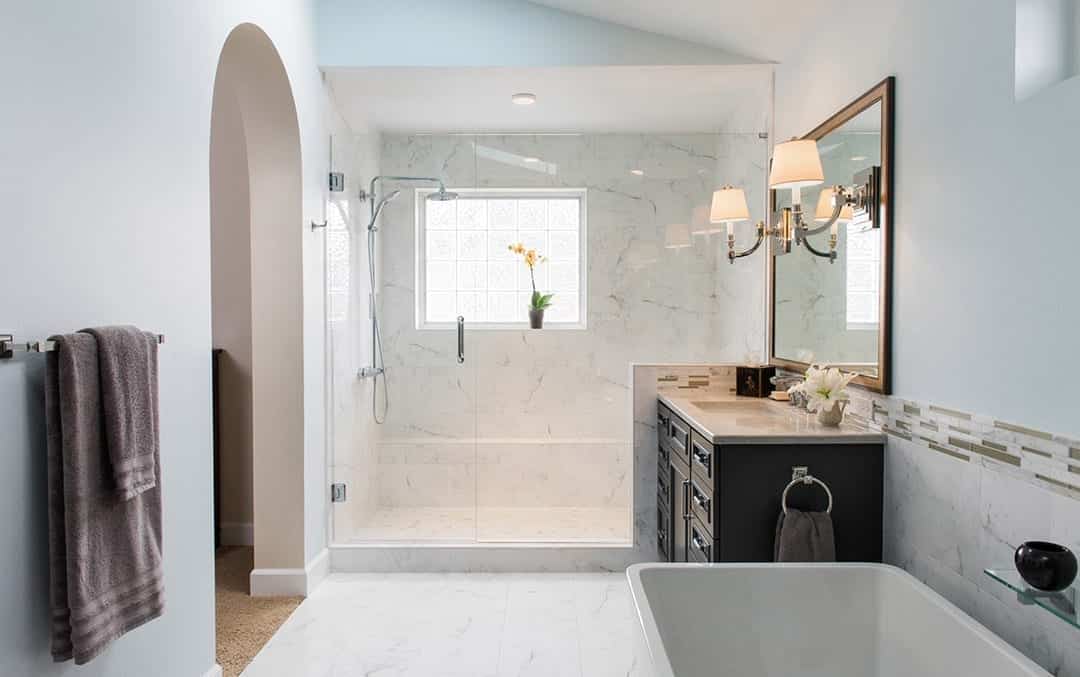
A bathroom remodel contractor in Bend, Oregon is often approached as a single, hectic event—a period of upheaval followed by the immediate gratification of a new space. However, when homeowners view the transformation as a development that unfolds in stages, the process tends to be more manageable and the outcomes more consistent with long-term goals. Understanding how these projects typically progress can help residents of this region navigate the complexities of renovation, from initial concept to the final finishing touches.
Navigating the Early Stages of Your Project
The foundation of a successful renovation is established well before the first tile is removed. For those considering a home depot bathroom remodel, the primary challenge often involves balancing personal design preferences with the structural realities of the home. This phase is less about selecting finishes and more about understanding what is physically possible within the existing footprint.
Homeowners in this region often find it helpful to start by evaluating the underlying conditions of their current space. Are there signs of moisture issues or dated plumbing infrastructure that need addressing before cosmetic changes can occur? When discussing potential improvements with a contractor, consider asking questions about how they manage moisture control, what materials perform well in local conditions, and how they handle the oversight of necessary sub-trades. By focusing on these fundamental aspects early on, you can establish a realistic framework for the work ahead.
Managing the Progression and Structural Changes
As a project moves from planning into active renovation, the nature of the work typically shifts. This middle stage is where the unseen parts of the bathroom are addressed. For many, this includes updating electrical configurations, reinforcing wall structures, or improving ventilation to ensure the space remains comfortable and resilient over time.
For those evaluating a bathroom remodel in Bend, Oregon, this is also the point where coordination becomes critical. Whether you are working with a general contractor or managing specific aspects yourself, the sequence of tasks matters. Framing must be finalized before plumbing is roughed in; electrical work must be inspected before walls are closed. Experienced professionals in the area generally emphasize that rushing this phase can create future complications. By allowing the work to proceed at a measured pace, you ensure that the infrastructure supporting your new fixtures and tile is sound.
Identifying Signs of Progress and Necessary Adjustments
Determining whether a project is on track requires knowing what to look for at various intervals. Progress is typically measured by the completion of specific functional milestones rather than just the visual appearance of the room. A well-managed renovation will often reach points where the skeletal structure is ready, the waterproofing is verified, and the layout is fully prepared for final surfaces.
If you encounter questions about the direction of the work, it is important to communicate them immediately. For instance, if you notice a change in the intended placement of a vanity or a concern about the flow of the room, discussing these points with your service provider while the infrastructure is still accessible is far more effective than trying to address them later. A transparent relationship with your contractor or project lead is often the most reliable way to ensure that the actual work continues to align with your original vision for your bathroom remodel in Bend, Oregon.
Sustaining Results for the Long Term
The final stage of a renovation project is often where the focus turns toward longevity. Ensuring that your investment remains in good condition requires a shift in mindset from active construction to ongoing care. Thoughtful planning during the early stages—such as choosing durable materials that stand up to daily use and ensuring that ventilation is properly calibrated—is the most effective way to sustain the results of a high-quality remodel.
Residents of the area who want to protect their investment often ask their providers for guidance on material maintenance. This might involve understanding the cleaning requirements of specific natural stones, the care needed for high-efficiency plumbing fixtures, or how to monitor for the early signs of seal degradation in wet areas. By taking a proactive approach to maintenance, you can help ensure that the functional improvements made during your renovation continue to perform as intended for many years.
Looking ahead, the long-term picture of a renovation is not defined by the completion date, but by how well the space adapts to your life. The most satisfying renovations are typically those that balance current aesthetic trends with timeless utility, providing a environment that remains both beautiful and highly functional as seasons change and household needs evolve. Approaching your project with a focus on this long-term perspective can help you make decisions that offer value well beyond the initial update, ensuring that your home remains a comfortable and reliable space for the long term.