

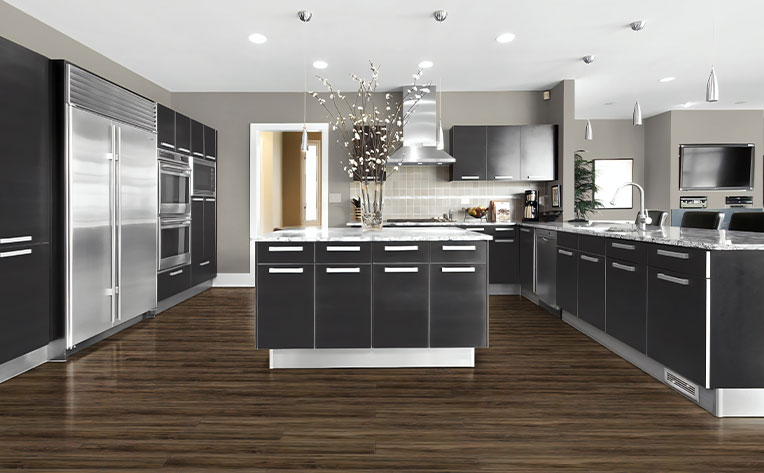
Choosing the right kitchen flooring is one of the most important decisions in home improvement. The kitchen experiences frequent foot traffic, moisture exposure, spills, and temperature changes. A durable and low maintenance flooring material helps reduce long term repair costs while keeping the space hygienic and visually appealing.
This guide explains the most reliable kitchen flooring materials that combine strength, practicality, and ease of upkeep.
What Makes Kitchen Flooring Durable and Easy to Maintain
Before selecting a flooring material, it helps to understand what characteristics matter most in kitchen environments.
Important qualities include
- Resistance to water and stains
- Ability to withstand heavy foot traffic
- Scratch resistance
- Easy cleaning requirements
- Long service life with minimal repairs
Materials that meet these conditions perform best in busy kitchens.
Porcelain Tile Flooring
Porcelain tile is widely considered one of the most reliable kitchen flooring choices available today. It is dense, moisture resistant, and highly durable.
Advantages of porcelain tiles
- Strong resistance to water and stains
- Excellent durability under heavy loads
- Easy daily cleaning with basic mopping
- Wide variety of textures and finishes
- Long lifespan with minimal maintenance
Matte finish porcelain tiles are especially useful in kitchens because they reduce slipping risk.
Luxury Vinyl Plank Flooring
Luxury vinyl plank flooring has become popular due to its balance between affordability and performance. It replicates the look of wood while offering stronger moisture resistance.
Benefits of luxury vinyl plank flooring
- Waterproof surface protection
- Comfortable underfoot compared to tile
- Simple installation and replacement
- Scratch resistant coating options
- Easy cleaning using regular household methods
This material works well in households with children or pets.
Natural Stone Flooring
Natural stone flooring creates a premium appearance while offering long lasting performance when sealed properly.
Common stone flooring options include
- Slate
- Granite
- Travertine
Key strengths of natural stone
- Exceptional durability
- Unique natural texture patterns
- Strong resistance to heavy usage
- Increased property value appeal
Sealing the surface periodically helps maintain stain resistance and longevity.
Sealed Concrete Flooring
Concrete flooring has evolved into a stylish and practical kitchen option. When sealed correctly, it becomes highly resistant to moisture and wear.
Advantages of sealed concrete floors
- Extremely long lifespan
- Minimal maintenance requirements
- Strong resistance to stains after sealing
- Suitable for modern kitchen designs
- Cost effective for large floor areas
Concrete surfaces can also be customized with different textures and finishes.
Ceramic Tile Flooring
Ceramic tiles remain a reliable and economical flooring solution for kitchens. Although slightly less dense than porcelain, they still perform well in most household conditions.
Reasons homeowners choose ceramic tiles
- Easy availability in multiple styles
- Affordable installation cost
- Simple cleaning routine
- Reliable stain resistance
- Suitable for medium traffic kitchens
Proper grout sealing improves durability and reduces maintenance needs.
Engineered Wood Flooring
Engineered wood flooring offers the warmth of natural wood with improved stability compared to traditional hardwood.
Advantages of engineered wood flooring
- Attractive natural appearance
- Better resistance to moisture than solid wood
- Comfortable walking surface
- Compatible with modern kitchen interiors
Using protective coatings helps extend its lifespan in cooking areas.
How to Choose the Right Flooring for Your Kitchen
Selecting the ideal flooring depends on household needs, climate conditions, and usage patterns.
Consider these factors before finalizing your choice
- Frequency of cooking activity
- Exposure to water and spills
- Household foot traffic levels
- Budget range
- Desired interior style
Balancing performance with appearance leads to better long term satisfaction.
Maintenance Tips to Extend Kitchen Floor Life
Even durable flooring requires routine care to maintain its condition.
Simple maintenance practices include
- Cleaning spills immediately
- Using mild cleaning solutions
- Avoiding abrasive scrubbing tools
- Placing protective mats near sinks
- Sealing stone and grout surfaces when required
Consistent care preserves both appearance and strength.
Frequently Asked Questions
Which kitchen flooring material lasts the longest
Porcelain tile and sealed concrete flooring are among the longest lasting kitchen flooring materials due to their strength and resistance to moisture and wear.
Is vinyl flooring suitable for heavy kitchen use
Yes. High quality luxury vinyl plank flooring performs well under regular kitchen activity and resists water exposure effectively.
Does stone flooring require frequent maintenance
Natural stone flooring requires periodic sealing but otherwise needs only routine cleaning to remain in good condition.
Can kitchen flooring affect indoor hygiene
Yes. Smooth and water resistant flooring materials help prevent dirt accumulation and support easier sanitation.
Is engineered wood safe near kitchen sinks
Engineered wood performs better than solid wood near sinks but still benefits from protective mats and quick spill cleanup.
Which flooring option feels most comfortable underfoot
Luxury vinyl plank and engineered wood flooring typically feel softer and warmer compared to tile or stone surfaces.
How often should kitchen flooring be replaced
High quality kitchen flooring materials can last between fifteen and forty years depending on maintenance and usage conditions.