

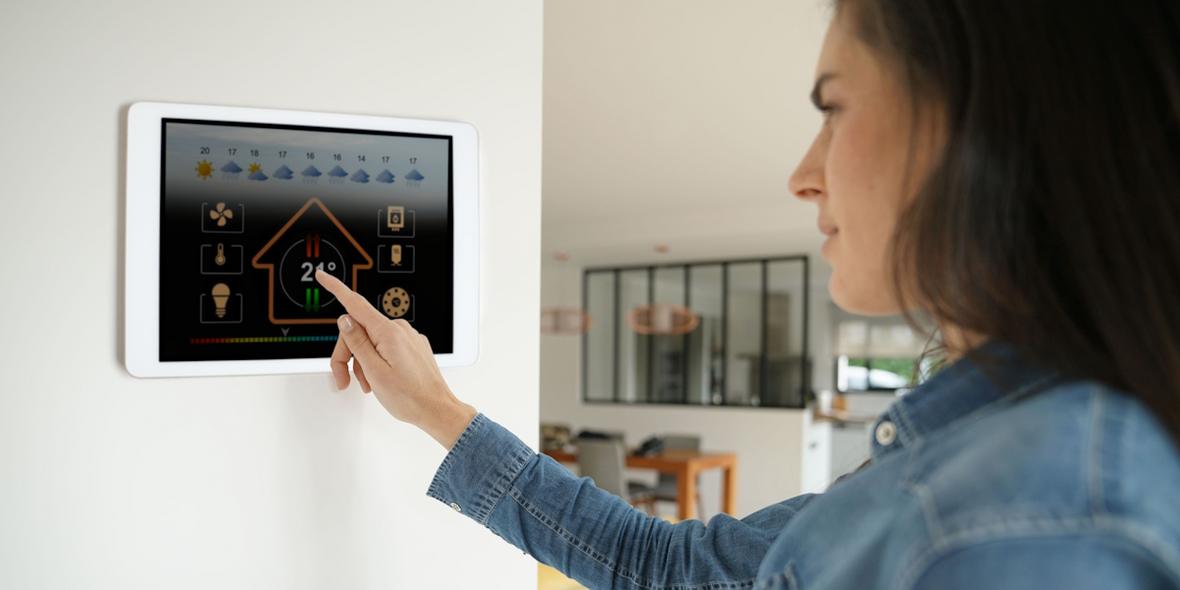
The rise of smart homes has revolutionized the way we interact with our living spaces, transforming our homes into intelligent environments that anticipate our needs. At the heart of this transformation are smart devices, which allow homeowners to automate everyday tasks, improve energy efficiency, enhance security, and even simplify mundane activities. With so many options available, however, it can be overwhelming to know where to start. In this article, we’ll explore everything you need to know about smart devices for your home, covering the types of devices you should consider, how they work together, and the benefits they bring to your life.
What Are Smart Devices?
Smart devices are electronic gadgets that connect to a network, typically through Wi-Fi, Bluetooth, or other wireless protocols, enabling them to be controlled remotely through apps or voice commands. These devices are part of the broader Internet of Things (IoT), a system of interconnected devices that communicate and work together to create a seamless experience for users.
Whether it’s adjusting the thermostat, dimming the lights, securing your home, or even starting your morning coffee, smart devices integrate with your daily routine, enhancing both convenience and efficiency. They can be controlled via smartphones, tablets, or voice assistants like Amazon Alexa, Google Assistant, or Apple Siri, making them incredibly user-friendly.
Key Categories of Smart Devices
Smart devices for the home span a wide array of categories, each designed to improve a specific aspect of your living environment. Let’s explore some of the most popular and useful types of smart devices:
1. Smart Lighting
Smart lighting is one of the most common and accessible types of smart devices. These systems allow you to control the brightness, color, and even the timing of your lights, all from your smartphone or through voice commands. You can set schedules to turn lights on or off at specific times, or even adjust them remotely if you forget to turn them off before leaving the house.
Popular brands like Philips Hue, LIFX, and Wyze offer a range of smart bulbs that integrate seamlessly with various smart home ecosystems. Some smart lights even feature motion sensors, turning on when they detect movement in a room. These devices are energy-efficient, helping you save on your electricity bill by ensuring that lights are only on when they are needed.
2. Smart Thermostats
Smart thermostats are another popular addition to smart homes, offering significant energy savings and increased comfort. Devices like the Nest Learning Thermostat or Ecobee allow you to control the temperature of your home remotely via a smartphone app. They can learn your daily routines, adjusting the temperature based on when you’re home or away, thereby optimizing energy usage.
Additionally, these thermostats can be integrated with other smart devices, such as window sensors, motion detectors, and even smart lighting, to create a more energy-efficient home. By programming your thermostat to adjust temperatures based on your habits, you can reduce energy consumption without sacrificing comfort.
3. Smart Security Systems
Security is a key concern for homeowners, and smart security devices offer a level of control and monitoring that traditional security systems can’t match. Smart security cameras, video doorbells, motion detectors, and smart locks work together to keep your home safe and give you peace of mind.
Devices like Ring, Nest Cam, and Arlo allow you to monitor your home remotely, receiving alerts and video feeds whenever motion is detected or someone rings your doorbell. Smart locks like August and Schlage allow you to lock or unlock doors from anywhere, and even grant temporary access to visitors or service personnel through your smartphone.
For a truly integrated experience, smart security systems can be tied into other smart devices in your home, creating a unified network of protection. For example, you can program your system to send alerts when windows or doors are opened, or to activate smart lights when motion is detected outside your home to deter intruders.
4. Smart Appliances
The kitchen is another area where smart devices shine. From refrigerators to coffee makers, smart appliances are designed to make daily tasks easier and more efficient. For example, smart refrigerators like those from Samsung and LG allow you to view the contents of your fridge remotely, set expiration date alerts, and even make shopping lists directly from the appliance’s touch screen.
Smart coffee makers, such as the Keurig K-Elite or Nespresso’s Expert, let you schedule your morning coffee brew time or customize the brew strength from your smartphone. Meanwhile, smart ovens and dishwashers can be controlled remotely to adjust cooking times, temperatures, or washing cycles, making meal preparation and cleanup more convenient and efficient.
5. Smart Plugs and Power Strips
Smart plugs and power strips are an affordable and simple way to bring non-smart devices into your home automation system. These devices plug into any standard outlet and allow you to control anything plugged into them remotely. For instance, you could use a smart plug to control lamps, fans, or small appliances, turning them on and off based on your schedule or voice commands.
These devices can also help with energy efficiency. Many smart plugs track the energy usage of connected devices, giving you insights into which appliances are using the most power. By scheduling your devices to turn off when not in use or monitoring their consumption, you can reduce your overall electricity bill.
6. Voice Assistants
At the heart of most smart home setups are voice assistants, such as Amazon Alexa, Google Assistant, and Apple Siri. These intelligent platforms allow you to control multiple smart devices through simple voice commands. For example, you can ask Alexa to turn off the lights, set the thermostat, lock the door, or play your favorite music.
These voice assistants are compatible with a wide range of smart devices and ecosystems, allowing you to centralize control of your entire home. By simply speaking a command, you can create custom routines, control your home’s security system, and even access information like weather forecasts, traffic reports, and news updates—all without having to lift a finger.
How Smart Devices Work Together
One of the most powerful features of smart devices is their ability to work together to create a cohesive, automated home experience. By integrating multiple devices into a central smart home hub or ecosystem, you can streamline your daily activities and ensure that your home responds to your needs automatically.
For example, you can create “scenes” or “routines” where multiple devices are activated at once. A simple command like “Good Morning” could turn on your lights, adjust the thermostat, and start your coffee maker, all while giving you a weather update and news briefing. Similarly, a “Good Night” command could lock the doors, turn off the lights, and adjust the thermostat for optimal sleeping conditions.
Many smart devices are compatible with popular ecosystems like Amazon Alexa, Google Assistant, or Apple HomeKit, making it easy to integrate devices from various brands into one unified system. Apps like SmartThings, Apple Home, and Google Home can serve as central control hubs, allowing you to manage all your devices from one interface.
Benefits of Smart Devices
Smart devices offer a range of benefits that extend beyond convenience. One of the primary advantages is energy efficiency. By automating your lighting, temperature control, and appliance usage, you can significantly reduce energy consumption, saving both money and the environment. Additionally, the increased security provided by smart cameras, doorbells, and locks offers peace of mind, as you can monitor your home in real-time and receive alerts about potential threats.
Another key benefit of smart devices is their ability to improve accessibility. For individuals with mobility challenges, voice control and automation systems can make it easier to control lights, doors, and appliances without the need to physically interact with switches or buttons.
Conclusion
Smart devices are at the forefront of creating intelligent, efficient, and comfortable living spaces. With the ability to automate tasks, improve security, reduce energy costs, and enhance convenience, these devices are becoming an integral part of modern homes. From smart thermostats and lighting to voice assistants and security systems, the possibilities are virtually limitless. As the technology continues to evolve, smart homes will only become smarter, more intuitive, and increasingly integrated into our everyday lives. Whether you’re starting small with a few devices or building an entire smart home ecosystem, the potential for enhanced comfort, convenience, and savings is undeniable.