

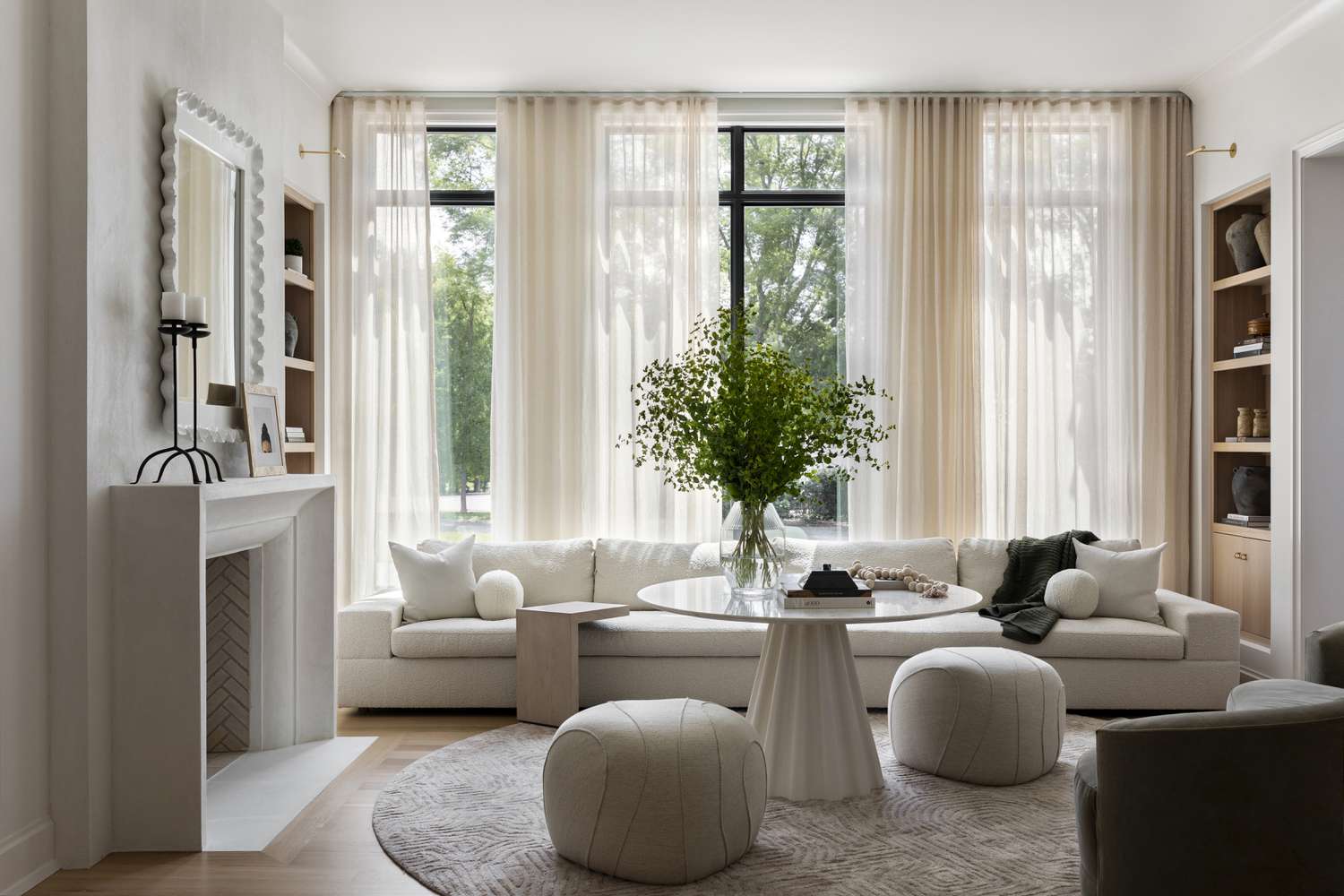
Minimalist home decor is built on the idea that simplicity creates clarity. By removing excess and focusing on essentials, minimalist interiors promote calm, balance, and functionality. This design approach works beautifully in both small and large homes, offering timeless appeal and effortless elegance.
What Is Minimalist Home Decor?
Minimalist decor emphasizes intentional living. Every element serves a purpose while contributing to a harmonious visual flow.
Core principles of minimalist decor include:
-
Clean lines and uncluttered layouts
-
Neutral and muted color palettes
-
Functional furniture with simple forms
-
Thoughtful use of space
Minimalism isn’t about emptiness—it’s about choosing what truly matters.
Neutral Color Palettes for Calm Interiors
Color plays a vital role in achieving a minimalist look. Soft, neutral tones create a soothing atmosphere.
Popular minimalist colors include:
-
White and off-white
-
Beige and soft taupe
-
Light gray and warm greige
Subtle contrasts add depth without disrupting the calm aesthetic.
Furniture That Supports Minimalist Living
Minimalist furniture focuses on form and function without unnecessary details.
Ideal furniture choices:
-
Low-profile sofas and beds
-
Streamlined tables with clean edges
-
Built-in or hidden storage solutions
Furniture placement should allow easy movement and visual breathing space.
Decluttering as a Design Strategy
Decluttering is central to minimalist decor. Removing visual noise instantly enhances calmness.
Practical decluttering tips:
-
Keep surfaces mostly clear
-
Store items out of sight
-
Limit decorative objects to a few meaningful pieces
A clutter-free environment supports mental clarity and relaxation.
Texture Over Ornamentation
Minimalist interiors rely on texture rather than decoration for interest.
-
Natural wood finishes
-
Soft linen or cotton textiles
-
Matte ceramics and stone accents
These textures add warmth while preserving simplicity.
Lighting That Enhances Serenity
Lighting should be soft, balanced, and unobtrusive.
Effective minimalist lighting includes:
-
Recessed ceiling lights
-
Simple pendant fixtures
-
Warm-toned table or floor lamps
Natural light is especially valuable, enhancing openness and calm.
Thoughtful Decor Accessories
Accessories in minimalist spaces are intentional and limited.
Choose:
-
One or two statement art pieces
-
Simple ceramic vases
-
Indoor plants with clean shapes
Each item should enhance the space without overpowering it.
Sustainable Minimalist Choices
Minimalism aligns naturally with sustainability.
-
Durable, high-quality furniture
-
Natural and eco-friendly materials
-
Timeless designs that reduce consumption
Sustainable choices reinforce the minimalist philosophy of mindful living.
Frequently Asked Questions (FAQs)
1. Is minimalist home decor suitable for families?
Yes, minimalist design works well for families when paired with smart storage and durable materials.
2. Does minimalist decor feel cold or boring?
No, using textures, warm lighting, and natural materials keeps minimalist spaces inviting.
3. How many decor items should a minimalist room have?
There’s no fixed number, but fewer, meaningful pieces maintain visual balance.
4. Can minimalist decor include color?
Yes, subtle accent colors can be used sparingly without breaking the minimalist aesthetic.
5. What rooms benefit most from minimalist design?
Living rooms, bedrooms, and home offices benefit greatly due to their need for calm and focus.
6. How do I start transitioning to a minimalist home?
Begin by decluttering one room at a time and replacing excess items with functional alternatives.
7. Is minimalist decor expensive to achieve?
Not necessarily. Minimalism prioritizes fewer, better-quality items rather than frequent purchases.