

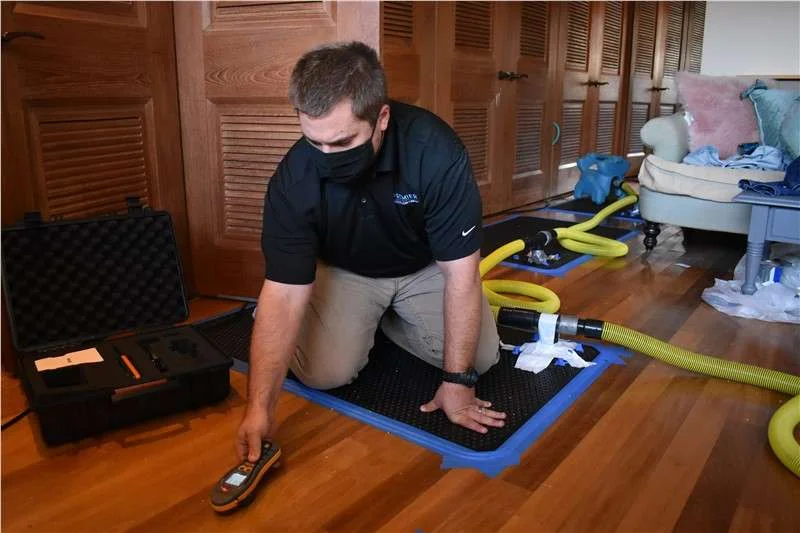
When disaster strikes, the aftermath of fire and smoke can leave homeowners feeling overwhelmed. Not only do flames consume structures and belongings, but the lingering effects of smoke, soot, and water from firefighting efforts can cause long-term harm if not addressed quickly. Choosing professional fire and smoke damage restoration in North Palm Beach ensures your property is restored with care, precision, and advanced techniques designed to preserve both safety and comfort.
Understanding the Impact of Fire Damage
Fires cause more than visible destruction. Heat, smoke, and soot penetrate deep into walls, flooring, and furniture. Even areas untouched by flames may experience hidden damage. Key issues include:
- Structural damage that weakens walls, beams, and ceilings.
- Smoke infiltration that leaves odors in fabrics, carpets, and HVAC systems.
- Soot residue that corrodes metal surfaces and stains materials.
- Water damage from firefighting, which can trigger mold growth if untreated.
Recognizing these risks highlights the importance of professional restoration rather than attempting DIY cleanups.
The Role of Smoke Damage in Long-Term Risks
While flames are an obvious threat, smoke damage can be just as destructive. Smoke particles are acidic, meaning they continue to corrode and discolor surfaces long after a fire is extinguished. Homeowners often underestimate the following dangers:
- Toxic air quality that can aggravate asthma and respiratory issues.
- Persistent odors that make living spaces uncomfortable.
- Damage to electronics as smoke infiltrates delicate circuits.
- Contamination of insulation that reduces home efficiency and safety.
Addressing smoke damage promptly is key to preventing long-term health hazards and property deterioration.
Professional Restoration vs. DIY Cleanup
After a fire, it may be tempting to save money by tackling the cleanup yourself. However, restoration professionals bring resources and expertise most homeowners cannot match:
- Industrial-grade cleaning equipment that removes soot and odor more effectively.
- Moisture detection tools that prevent hidden mold growth.
- Safety knowledge to handle toxic materials properly.
- Insurance documentation to support claims and speed up reimbursements.
By relying on trained specialists, homeowners reduce risks and ensure their property is restored correctly the first time.
The Step-by-Step Fire and Smoke Restoration Process
When experts handle restoration, they follow a structured approach that combines precision and efficiency. The typical process includes:
1. Emergency Response and Assessment
Technicians arrive quickly to secure the property, assess damage, and create a customized restoration plan. This step prevents further deterioration.
2. Board-Up and Structural Stabilization
Damaged windows, roofs, and doors are sealed to protect against weather, trespassers, and additional loss.
3. Water Extraction and Drying
Since most fire incidents involve water from firefighting, thorough drying prevents mold growth and secondary damage.
4. Smoke and Soot Removal
Specialized cleaning methods remove soot from surfaces while neutralizing odors embedded in walls, carpets, and furniture.
5. Deep Cleaning and Sanitization
Personal belongings, upholstery, and even electronics may be restored using advanced techniques to eliminate contaminants.
6. Reconstruction and Final Repairs
From drywall replacement to painting and flooring, experts ensure the property is returned to its pre-loss condition.
Benefits of Local Restoration Services
Hiring a local team for fire and smoke damage restoration in North Palm Beach comes with distinct advantages:
- Faster response times thanks to proximity.
- Understanding of regional weather which can affect drying and repairs.
- Personalized service built on community trust.
- Familiarity with local insurance requirements for smoother claims.
This local expertise adds peace of mind during an already stressful recovery.
Preventing Future Fire Risks
Restoration is only part of the solution. Preventative steps can reduce the chances of another disaster:
- Install and maintain smoke detectors in all major rooms.
- Keep fire extinguishers accessible and ensure family members know how to use them.
- Inspect electrical wiring regularly to prevent shorts.
- Store flammable items safely and away from heat sources.
- Develop a family evacuation plan and practice it often.
By combining restoration with prevention, homeowners can safeguard their property long-term.
Why Timely Action Matters
Delaying restoration has significant consequences. Soot can permanently stain walls, wood may weaken, and smoke odor can become embedded beyond repair. Quick intervention not only reduces overall damage but also saves money by avoiding larger reconstruction projects later.
Real-Life Example: Quick Response Saves a Home
Consider a North Palm Beach homeowner whose kitchen fire spread smoke throughout the house. By contacting a professional team immediately, the family avoided long-term odor issues and had their home back to livable condition within weeks. Without swift action, lingering smoke could have forced extensive wall replacements and higher expenses.
FAQs About Fire and Smoke Damage Restoration
Q. How soon should restoration begin after a fire?
A. Restoration should begin within 24 to 48 hours to minimize smoke damage, prevent mold growth, and reduce repair costs.
Q. Can personal belongings be saved after smoke exposure?
A. Many items, including furniture, clothing, and electronics, can be restored with specialized cleaning methods. However, porous items heavily saturated with smoke may need replacement.
Q. Does insurance usually cover restoration costs?
A. In most cases, homeowner’s insurance covers fire and smoke damage restoration. Professional teams can assist in documenting losses to streamline claims.
Q. What should I do before help arrives?
A. Avoid touching soot-covered surfaces, do not use electrical appliances, and keep HVAC systems off to prevent smoke spread. Safety should always come first.
Q. How long does the restoration process take?
A. Timelines vary depending on the severity of damage, but minor cases may take a few days while major structural damage could require several weeks.