

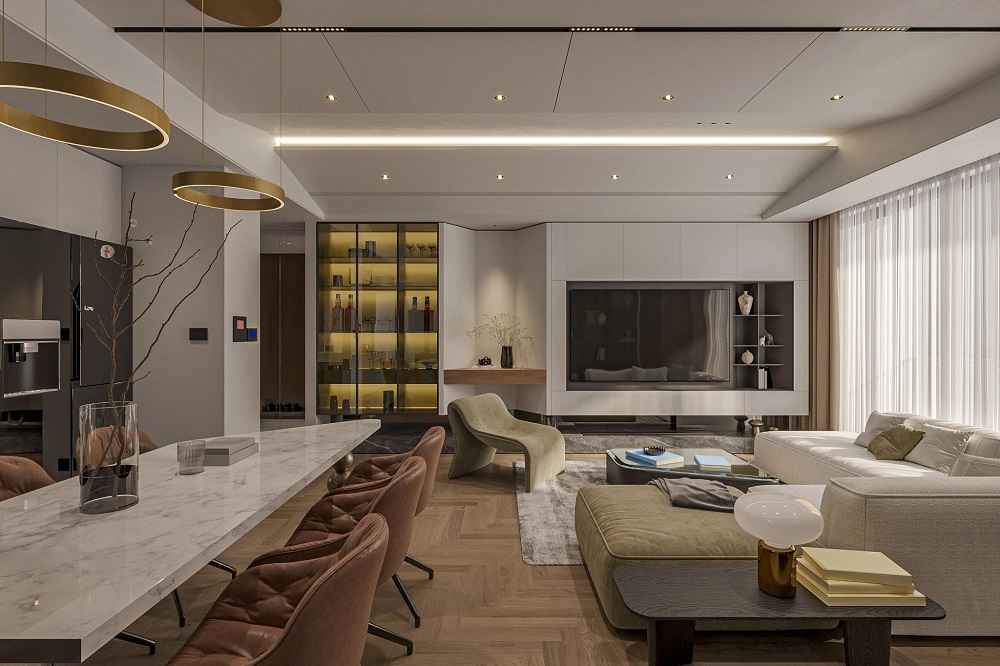
Home decor is more than arranging furniture or choosing colors. It reflects personality, improves comfort, and shapes how people experience their homes every day. A thoughtfully designed space balances aesthetics with function, creating an environment that feels welcoming, organized, and visually pleasing.
Whether refreshing a single room or redesigning an entire house, smart decor choices can make even modest spaces feel elegant and purposeful.
Understanding the Foundation of Home Decor
Successful home decor begins with understanding three essential elements:
Color harmony
Colors influence mood and perception of space. Light shades create openness while deeper tones add warmth and depth.
Lighting balance
A combination of natural light, ambient lighting, and accent lighting enhances both comfort and visibility.
Furniture placement
Proper arrangement improves movement flow and ensures each area serves its intended purpose.
When these elements work together, even simple interiors appear refined and intentional.
Choosing the Right Color Palette for Each Room
Color selection sets the emotional tone of a space. Choosing appropriate palettes helps define each room’s character.
Popular color strategies include:
- Neutral tones such as beige, cream, and grey for timeless elegance
- Earthy shades like terracotta and olive for warmth
- Soft pastels for calm and relaxed environments
- Accent walls to introduce contrast without overwhelming the space
Combining two or three complementary colors usually creates a balanced and cohesive appearance.
Selecting Furniture That Combines Style and Function
Furniture forms the backbone of interior styling. The right pieces support both aesthetics and usability.
Key considerations when selecting furniture:
- Choose proportions suitable for room size
- Prioritize comfort along with visual appeal
- Select multifunctional pieces for smaller spaces
- Maintain consistent material tones for harmony
Minimal clutter helps rooms feel spacious and organized.
Enhancing Spaces with Lighting Techniques
Lighting shapes how interiors look throughout the day and evening. Combining different lighting types produces depth and flexibility.
Effective lighting layers include:
- Ambient lighting for overall brightness
- Task lighting for reading or cooking
- Accent lighting to highlight artwork or decor features
Warm lighting works well in bedrooms and living areas, while brighter tones suit kitchens and study spaces.
Adding Personality Through Decorative Accessories
Accessories transform basic rooms into expressive environments that feel complete and lived in.
Popular decorative elements include:
- Wall art and framed prints
- Indoor plants for freshness and texture
- Decorative cushions and throws
- Rugs that define zones within larger rooms
- Mirrors that increase light reflection and visual space
Small additions often create the biggest visual impact without major renovation costs.
Creating Functional Layouts for Different Rooms
Every room serves a unique purpose, so layout planning should reflect daily routines and lifestyle needs.
Living room layout tips:
- Position seating around a focal point such as a television or artwork
- Maintain clear walking paths
- Use rugs to define seating areas
Bedroom layout suggestions:
- Keep bedside access open on both sides where possible
- Avoid overcrowding with unnecessary furniture
- Use layered bedding for visual comfort
Kitchen arrangement ideas:
- Maintain efficient movement between sink, stove, and refrigerator
- Use vertical storage to maximize space
- Keep frequently used items easily accessible
Thoughtful layouts improve both convenience and visual appeal.
Using Textures to Add Depth and Comfort
Texture plays a subtle but powerful role in home decor. Combining different materials creates visual richness without adding clutter.
Examples of effective texture layering:
- Wooden furniture paired with soft fabrics
- Cotton curtains combined with metal accents
- Woven rugs alongside smooth flooring
- Linen cushions with velvet throws
Mixing textures helps rooms feel balanced and inviting.
Bringing Nature Indoors for a Healthier Atmosphere
Natural elements enhance air quality and create calming surroundings.
Simple ways to incorporate nature indoors:
- Place indoor plants near windows
- Use wooden finishes where possible
- Add stone or clay decorative pieces
- Choose natural fiber textiles such as cotton and jute
Even small additions can make interiors feel refreshing and grounded.
Maintaining Consistency Throughout the Home
Consistency connects individual rooms into a unified design story.
Ways to maintain visual continuity include:
- Repeating similar color accents across rooms
- Using matching metal finishes
- Keeping flooring styles coordinated
- Selecting complementary furniture shapes
Consistency creates flow without making spaces look identical.
Budget Friendly Home Decor Improvements
Stylish interiors do not require large investments. Strategic updates can significantly enhance appearance.
Affordable improvement ideas:
- Rearranging furniture for better space usage
- Replacing cushion covers and curtains
- Adding wall shelves for storage and display
- Updating lighting fixtures
- Incorporating mirrors to brighten darker areas
Small upgrades often produce noticeable results quickly.
Frequently Asked Questions
How often should home decor be updated
Minor updates such as cushions or wall art can be refreshed seasonally, while major decor changes are typically done every few years depending on lifestyle needs and trends.
What is the easiest way to make a room look more spacious
Using lighter wall colors, mirrors, minimal furniture, and proper lighting helps create a sense of openness.
Are indoor plants necessary for good home decor
Indoor plants are not mandatory, but they improve visual freshness and contribute to a healthier indoor environment.
How can small homes be decorated effectively
Choose multifunctional furniture, maintain neutral color palettes, and reduce clutter to maximize available space.
Which lighting works best for living rooms
Layered lighting that combines ceiling fixtures, floor lamps, and accent lighting provides flexibility and comfort.
How do rugs improve interior styling
Rugs define seating areas, add warmth, and introduce texture that enhances overall room balance.
What should be prioritized first when decorating a new home
Start with essential furniture placement, followed by lighting arrangement, then add accessories and decorative elements gradually.