

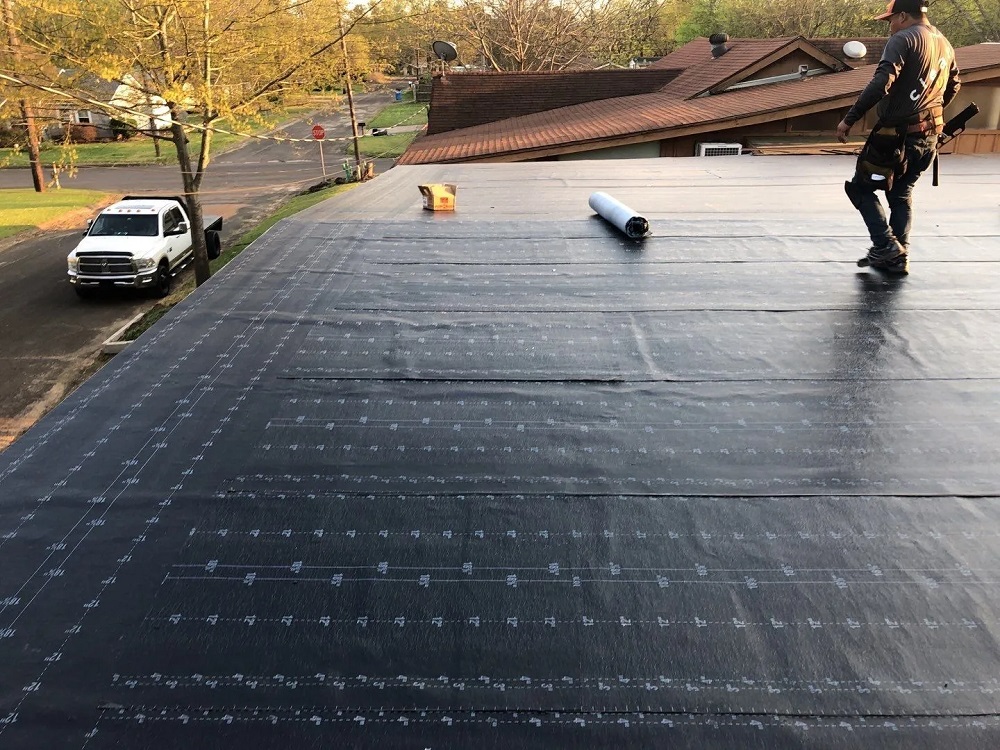
Flat roofing systems have become a defining feature of contemporary architecture across residential, commercial, and institutional developments. Their clean geometry, functional flexibility, and cost efficiency make them especially attractive for modern construction projects where performance and usability must align with aesthetics.
Unlike traditional sloped roofs, flat roofing systems provide a practical surface that can serve multiple purposes beyond simple weather protection. From energy efficiency improvements to space optimization, they offer measurable advantages that support both structural performance and long-term operational value.
Choosing experienced Flat Roofing Services ensures your roof is installed and maintained to a high standard. From minor repairs to complete roof replacements, skilled roofing specialists provide dependable solutions tailored to your property’s specific requirements.
What Is a Flat Roofing System
A flat roofing system refers to a roof structure built with a minimal slope designed primarily for water drainage rather than steep runoff. While visually appearing level, these roofs typically include a slight gradient that directs water toward drainage outlets.
Modern flat roofs commonly use layered waterproof membranes and insulation systems engineered to withstand environmental exposure and structural loads over extended periods.
Typical materials include
- EPDM rubber membranes
- PVC roofing sheets
- TPO membranes
- Modified bitumen layers
- Built-up roofing systems
Each material option supports different performance priorities such as thermal efficiency, durability, or maintenance simplicity.
Architectural Flexibility and Contemporary Design Appeal
Flat roofing systems align naturally with modern architectural styles that emphasize simplicity, clean lines, and geometric balance. They help architects design structures that appear streamlined and efficient without unnecessary structural complexity.
Key architectural benefits include
- Minimalist visual profile
- Easier integration with glass facades
- Compatibility with modular construction
- Seamless rooftop utility integration
Because flat roofs do not dominate the building silhouette, they allow designers greater freedom to shape overall structural identity.
Efficient Use of Rooftop Space
One of the strongest advantages of flat roofing systems is the ability to transform unused roof surfaces into functional spaces. In dense urban environments where ground space is limited, this feature significantly increases property value.
Common rooftop applications include
- Solar panel installations
- Green roof vegetation systems
- Outdoor lounges and terraces
- HVAC equipment placement
- Rainwater harvesting setups
This adaptability turns the roof into an active component of the building rather than a passive protective element.
Improved Energy Efficiency Potential
Flat roofing systems support advanced insulation layering that enhances indoor temperature regulation. Their structure allows efficient placement of reflective coatings and thermal barriers that reduce heat transfer between indoor and outdoor environments.
Energy efficiency advantages include
- Reduced cooling loads in warm climates
- Improved insulation thickness control
- Support for reflective roofing membranes
- Ideal positioning for solar energy systems
Over time, these improvements contribute to measurable reductions in operational energy costs.
Simplified Installation and Maintenance Access
Compared to steep roofing systems, flat roofs allow safer and faster installation processes. Workers can move more easily across the surface during construction and inspection phases.
Maintenance benefits include
- Safer technician access
- Faster repair procedures
- Easier equipment servicing
- Lower labor requirements
Routine inspections become more manageable, which helps extend overall roof lifespan.
Cost Effectiveness During Construction
Flat roofing systems typically require fewer structural materials than pitched roofs. Their simpler framing requirements reduce construction complexity and shorten project timelines.
Financial advantages include
- Reduced material consumption
- Faster installation schedules
- Lower labor costs
- Easier integration with prefabricated systems
These factors make flat roofs especially attractive for commercial developments operating within strict budget frameworks.
Ideal Compatibility With Sustainable Building Strategies
Modern construction increasingly prioritizes environmental responsibility. Flat roofing systems support multiple sustainability initiatives that improve building performance while reducing ecological impact.
Sustainability applications include
- Green roof ecosystems
- Solar energy integration
- Rainwater management systems
- Reflective membranes that reduce heat absorption
These features help projects meet environmental certification standards and long-term efficiency goals.
Enhanced Drainage Control Through Engineered Systems
Although flat roofs appear level, they incorporate carefully planned drainage systems that prevent water accumulation and structural stress.
Typical drainage components include
- Internal drainage outlets
- Tapered insulation layers
- Scuppers and overflow channels
- Protective waterproof membranes
Proper drainage design ensures long-term structural reliability even in regions with heavy rainfall.
Long Term Durability With Modern Roofing Materials
Advancements in roofing technology have significantly improved the performance life of flat roofing systems. Contemporary membranes are engineered to resist UV exposure, temperature fluctuations, and moisture penetration.
Durability improvements include
- High tensile strength materials
- Seamless waterproof layers
- Resistance to cracking and shrinkage
- Improved thermal stability
When installed correctly and maintained regularly, modern flat roofs can perform reliably for decades.
Frequently Asked Questions
How long does a flat roofing system typically last
Modern flat roofing systems generally last between 20 and 40 years depending on material choice, installation quality, and maintenance frequency.
Are flat roofs suitable for residential buildings
Yes. Flat roofs are increasingly used in residential architecture because they support rooftop terraces, solar panels, and energy efficient insulation strategies.
Do flat roofs require more maintenance than sloped roofs
Flat roofs require regular inspections to ensure drainage systems remain clear, but maintenance access is easier and repairs are usually quicker.
Which flat roofing material offers the best durability
Materials such as PVC and EPDM membranes are widely recognized for their resistance to weather exposure and long service life.
Can flat roofs support rooftop gardens
Yes. Flat roofs are structurally well suited for green roof systems when designed with appropriate load bearing and waterproofing layers.
Are flat roofs effective in hot climates
Flat roofing systems perform well in warm environments when paired with reflective membranes and proper insulation layers.
Is water leakage common in flat roofing systems
Water leakage typically occurs only when drainage design or waterproofing installation is inadequate. Properly installed systems are highly reliable.