

Roofing materials are designed to withstand years of exposure, yet their durability and effectiveness depend heavily on the weather conditions they face. Temperature swings, moisture, wind, sunlight, and seasonal extremes all influence how long a roof lasts and how well it protects a structure. Understanding how different climate factors interact with roofing systems helps homeowners and property managers make smarter installation and maintenance decisions.
When an existing roof has extensive damage or has reached the end of its service life, homeowners may consult roof replacement specialists in Calgary. Professional specialists can assess the existing system, discuss suitable materials, and explain the replacement process. Proper planning can help homeowners understand the project requirements, expected timeline, and maintenance considerations.
The Role of Temperature Fluctuations in Roof Durability
Temperature changes are one of the most persistent stressors affecting roofing materials. Repeated heating and cooling cycles cause expansion and contraction, which gradually weaken structural integrity.
Key impacts include:
- Material fatigue caused by continuous expansion and contraction
- Cracking in asphalt shingles during cold weather
- Warping in metal roofing panels under prolonged heat exposure
- Sealant breakdown around flashing and joints
Roofs in regions with large day-to-night temperature differences tend to age faster than those in stable climates. Choosing materials designed for thermal flexibility improves long-term performance.
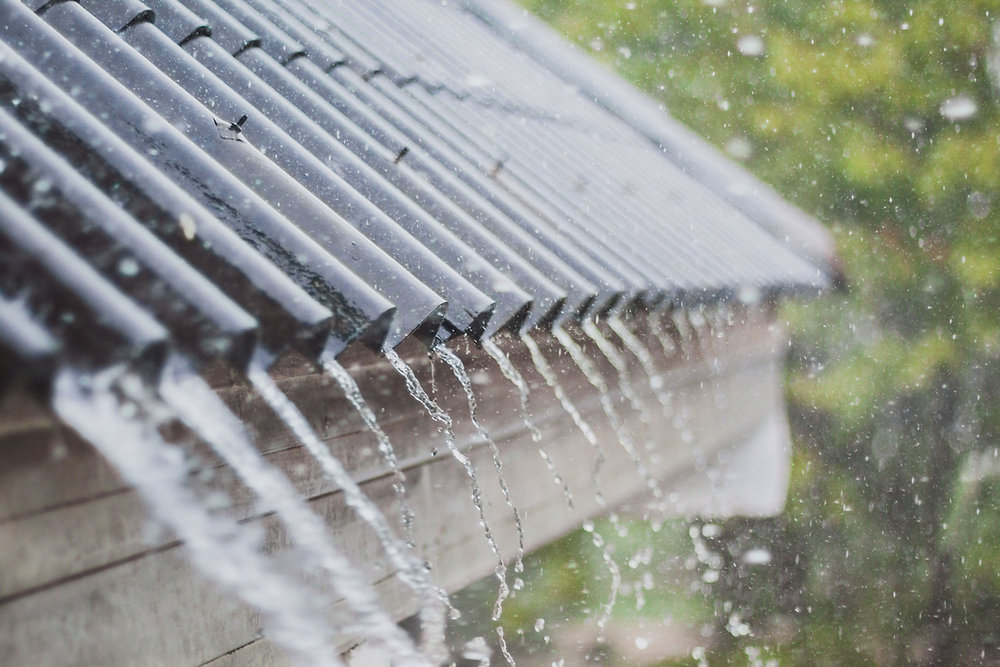
How Rain and Moisture Influence Roofing Systems
Moisture is one of the most destructive environmental forces affecting roofing systems. Even small amounts of trapped water can lead to long-term structural issues if not addressed promptly.
Common moisture-related concerns include:
- Water infiltration through damaged shingles
- Mold and mildew formation beneath roofing layers
- Rotting of wooden decking
- Reduced insulation efficiency
Flat roofs are especially vulnerable because standing water increases pressure on the surface and accelerates deterioration. Proper drainage design and waterproof membranes significantly reduce risk.
The Impact of Wind on Roofing Stability
Strong winds can compromise even well-installed roofing systems. Wind uplift pressure targets roof edges, corners, and seams where attachment points are most vulnerable.
Typical wind-related damage includes:
- Lifted or missing shingles
- Loosened flashing around chimneys and vents
- Detached gutters
- Exposure of underlayment layers
Metal roofing performs well in windy environments when properly secured, while lightweight materials require reinforced fastening systems to maintain stability during storms.
Effects of Sunlight and UV Exposure on Roofing Materials
Ultraviolet radiation gradually breaks down roofing surfaces over time. Continuous exposure accelerates aging and reduces material flexibility.
Major consequences of prolonged sunlight exposure include:
- Surface brittleness
- Color fading
- Loss of protective granules in shingles
- Reduced waterproofing capability
Reflective roofing materials and coatings help reduce UV damage while improving energy efficiency inside buildings.
Snow and Ice Load Stress on Roof Structures
Cold climates introduce additional challenges related to weight accumulation and freeze-thaw cycles. Snow buildup increases structural load, while melting and refreezing water can create ice dams.
Ice dams form when:
- Warm air escapes from the attic
- Snow melts unevenly across the roof
- Water refreezes near the edges
This process traps moisture beneath shingles and leads to interior leaks. Proper attic insulation and ventilation reduce these risks significantly.
Hailstorms and Their Impact on Roofing Longevity
Hailstones can cause immediate and visible roof damage, especially on older or softer materials. Even when dents appear minor, hidden structural weakening often follows.
Common hail-related issues include:
- Granule loss from asphalt shingles
- Surface cracking
- Punctures in membranes
- Reduced resistance to future weather exposure
Impact-resistant roofing materials provide better protection in hail-prone regions.
Choosing Roofing Materials Based on Climate Conditions
Selecting the right roofing material for a specific environment improves durability and reduces long-term maintenance costs.
Climate-based recommendations include:
Hot climates
- Clay tiles
- Metal roofing
- Reflective coatings
Cold climates
- Architectural asphalt shingles
- Slate roofing
- Insulated roofing systems
Wind-prone areas
- Standing seam metal roofing
- Reinforced shingles with enhanced fastening
Wet or humid regions
- Metal roofing
- Synthetic shingles
- Waterproof membrane systems
Matching materials to environmental conditions helps extend roof lifespan and maintain structural integrity.
Maintenance Practices That Improve Weather Resistance
Regular inspection and preventative maintenance strengthen a roof’s ability to handle changing weather conditions.
Recommended maintenance actions include:
- Checking flashing around vents and chimneys
- Cleaning gutters to prevent water buildup
- Inspecting shingles after storms
- Removing debris from roof surfaces
- Ensuring attic ventilation remains effective
Routine upkeep reduces repair costs and helps identify minor issues before they become serious problems.
Conclusion
Weather conditions play a decisive role in how roofing materials perform over time. Temperature shifts, moisture exposure, wind pressure, UV radiation, snow accumulation, and hail all influence durability in different ways. Selecting climate-appropriate materials and maintaining them consistently ensures stronger protection, improved energy efficiency, and a longer service life for any roofing system.
Frequently Asked Questions
How often should a roof be inspected after extreme weather events
Roof inspections are recommended immediately after major storms and at least twice per year to detect early signs of damage.
Which roofing material lasts longest in areas with heavy rainfall
Metal roofing and synthetic composite shingles typically perform best because they resist moisture absorption and mold growth.
Can extreme heat shorten the lifespan of asphalt shingles
Yes. Prolonged exposure to high temperatures can accelerate granule loss and make shingles brittle over time.
Does roof color affect performance in hot climates
Lighter-colored roofs reflect more sunlight and help reduce heat absorption, improving indoor cooling efficiency.
Are impact-resistant shingles worth installing in hail-prone regions
Yes. They significantly reduce surface damage and help maintain waterproof protection after storms.
How does poor attic ventilation affect roofing performance
Insufficient ventilation traps heat and moisture beneath the roof, accelerating material deterioration and increasing the risk of leaks.
What signs indicate weather-related roof damage that needs immediate repair
Common warning signs include missing shingles, water stains on ceilings, loose flashing, sagging areas, and visible surface cracks.