

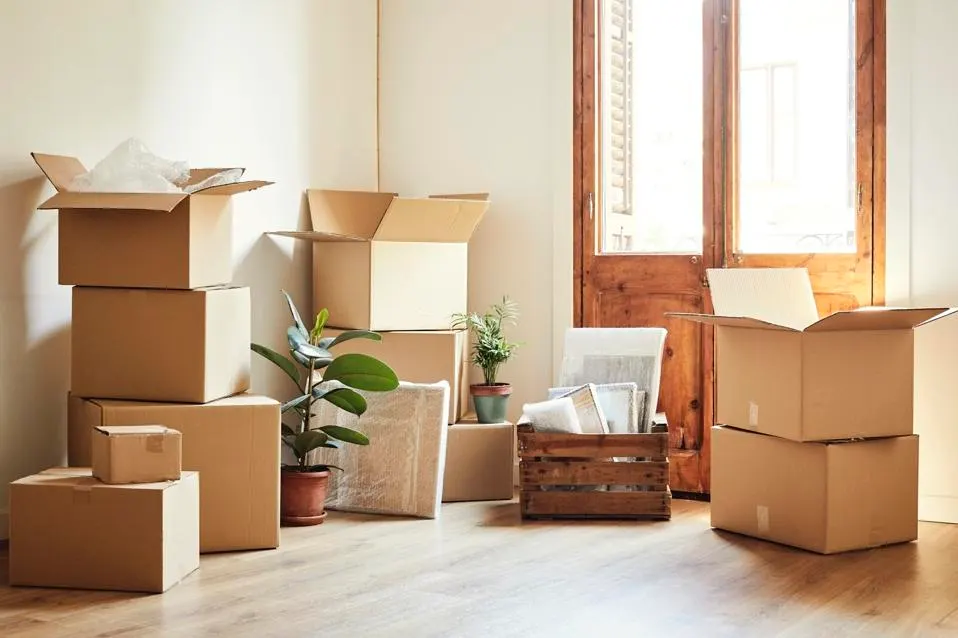
Moving to a new home can be both exciting and overwhelming. The prospect of a fresh start in a new space is thrilling, but the process of packing up your entire life and transporting it to a new location can be a daunting task. Whether you’re moving across town or to another city, packing efficiently is essential to ensure that your move goes as smoothly as possible. The key to a successful move lies in strategic packing—doing it smartly, not hastily. Here, we present the top 10 packing tips that will help make your move easier, faster, and less stressful.
1. Start Early and Plan Ahead
One of the most common mistakes people make when moving is waiting too long to begin the packing process. Packing is time-consuming, and the earlier you start, the more manageable it will be. Begin packing non-essential items at least two to three weeks before your move date. This allows you to tackle the task at a comfortable pace without the pressure of last-minute packing. Start with items you rarely use—seasonal clothing, books, décor, or any other non-daily essentials. By spacing out the packing process, you’ll avoid a stressful, overwhelming rush in the days leading up to the move.
2. Declutter Before You Pack
Moving presents the perfect opportunity to declutter your life. Before you begin packing, go through your belongings and evaluate each item. Is it something you really need or love? If not, it’s time to part ways with it. Donate, sell, or recycle any items that no longer serve a purpose in your life. The less you have to pack and move, the easier the entire process will be. Decluttering not only lightens your load but also helps you avoid transporting items that might clutter your new space unnecessarily.
3. Use the Right Packing Materials
Quality packing materials are essential to ensuring the safe transport of your belongings. Invest in sturdy moving boxes, packing paper, bubble wrap, and packing peanuts. For fragile items, use thick layers of packing paper or bubble wrap to cushion them. You can often find free moving boxes at local grocery stores, or you may want to consider purchasing professional-grade boxes specifically designed for moving. Specialty boxes for artwork, mirrors, and dishware are also highly recommended to prevent damage during the move.
Additionally, be sure to label each box clearly. Write the room it belongs in, and include a brief description of its contents. This will save time during the unloading process, as you won’t have to open each box to figure out where it belongs. If the box contains fragile items, be sure to write “Fragile” in large letters on all sides.
4. Pack One Room at a Time
Packing up an entire home can seem like an insurmountable task if you don’t break it down into manageable chunks. Start with one room at a time, focusing on items you don’t need immediately. This methodical approach ensures that everything is packed neatly and avoids the chaos of randomly throwing items into boxes. If you’re packing a living room, for example, begin with books, artwork, and decorative items, leaving larger furniture pieces for later. This allows you to stay organized and reduces the chances of misplacing items.
5. Utilize Suitcases and Travel Bags
Don’t overlook the luggage you already have. Suitcases, backpacks, and duffel bags are ideal for packing clothes, shoes, and linens. These items are not only easy to carry but also already designed for transport. When packing clothing, make use of any spare suitcases and bags you have on hand to save on moving boxes. This helps reduce the number of boxes you need and keeps your clothing organized and wrinkle-free during the move.
6. Pack Heavy Items in Smaller Boxes
When packing heavier items, such as books, kitchenware, or electronics, it’s tempting to put everything into the largest box available. However, large boxes filled with heavy items can be difficult to carry and may result in broken boxes or strained muscles. Instead, pack heavy items in smaller boxes, which are easier to lift and maneuver. The same principle applies to delicate items like dishes—pack them in small, secure boxes to ensure their safety. Keep in mind that the heavier the box, the smaller it should be.
7. Wrap Furniture in Blankets or Stretch Wrap
Furniture is one of the most challenging aspects of any move, but with the right approach, it can be transported safely. Wrap large furniture pieces, such as couches, chairs, and tables, in moving blankets or sheets to protect them from scratches and dents. For added security, use stretch wrap to secure blankets around the furniture, preventing any movement during the move. This method also works well for protecting delicate furniture finishes or keeping drawers in place.
If you’re disassembling large furniture, keep track of screws and small parts by placing them in labeled plastic bags and taping the bags to the furniture itself. This ensures that you don’t lose any components during transport and makes reassembly easier once you arrive at your new home.
8. Don’t Forget the Essentials Box
One of the most important tips when moving is to create an “essentials box”—a box or bag containing all the items you’ll need immediately upon arriving at your new home. This box should include things like toiletries, a change of clothes, important documents, chargers, snacks, and basic cleaning supplies. Having an essentials box ensures that you won’t have to rummage through multiple boxes to find necessities during the first few days in your new place. It also helps you avoid stress on moving day, as you’ll know exactly where to find the things you need right away.
9. Maximize Space by Using Clothes as Packing Material
Clothing doesn’t just belong in a suitcase—it can also serve as an excellent cushion for fragile items. Use soft clothing, towels, or linens to pad breakable items such as glassware, electronics, and small appliances. Not only will this save you money on packing materials like bubble wrap, but it also maximizes the use of space in your boxes. T-shirts, sweaters, and socks can act as protective layers, reducing the number of fragile-specific packing materials required.
10. Label and Color-Code Your Boxes
Labeling your boxes is essential, but a more organized approach—color-coding—can further streamline the process. Assign a color to each room (for example, blue for the kitchen, green for the living room, yellow for bedrooms, etc.), and mark each box with the corresponding color. This system will make unpacking much quicker and easier. If you’re moving with a group or using professional movers, color-coding helps ensure that everything ends up in the right place without confusion.
Conclusion
Packing for a move doesn’t have to be a stressful, chaotic process. With the right strategies in place, you can make the entire experience smoother, more organized, and far less overwhelming. Starting early, decluttering, using the right materials, and packing strategically are all essential components of a successful move. By following these top 10 packing tips, you’ll be able to streamline the moving process, reduce the risk of damage to your belongings, and ensure that your new home is set up quickly and efficiently. Remember, thoughtful planning is key—take the time to pack well, and your future self will thank you.