

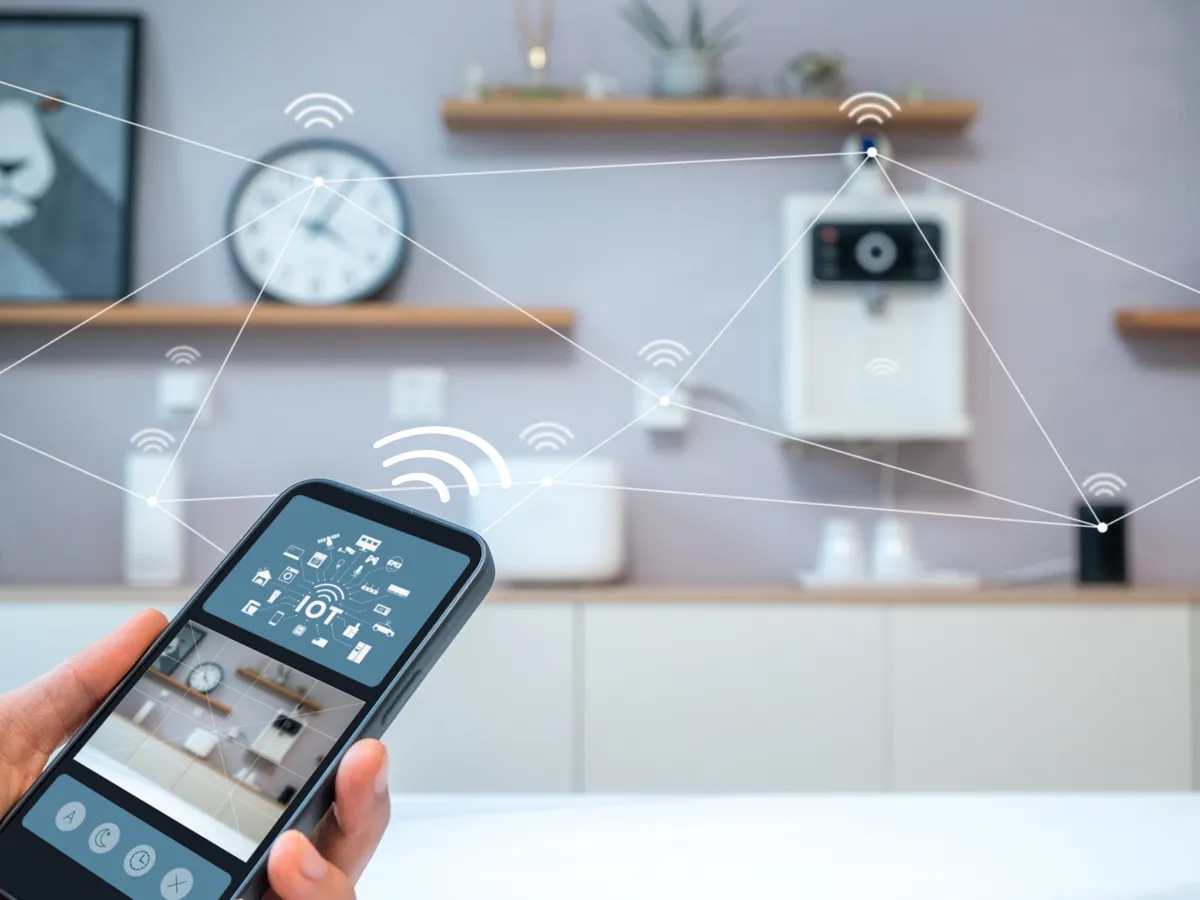
In the rapidly advancing world of smart homes, the integration of innovative technologies has transformed the way we interact with our living spaces. Central to this transformation are two key components: voice control and energy management. Both offer distinct advantages and have the potential to significantly enhance the home experience. But when it comes to improving convenience, efficiency, and sustainability, which is the better choice? Is it the ease and accessibility of voice control, or the impactful energy-saving capabilities of energy management systems? To answer this, we must examine the role both play in the modern smart home ecosystem.
The Rise of Voice Control in Smart Homes
Voice control has quickly become one of the most popular features in modern smart homes. Devices like Amazon Alexa, Google Assistant, and Apple’s Siri allow users to control a wide range of home technologies—everything from lights and thermostats to entertainment systems—using simple voice commands. This hands-free approach has not only revolutionized convenience but also expanded accessibility for people with disabilities or those who might struggle with traditional interfaces like switches and remote controls.
The appeal of voice control is rooted in its ease of use. For example, a simple command such as, “Hey Google, turn off the lights,” or “Alexa, set the thermostat to 72 degrees,” eliminates the need for any physical effort. As smart home products become more ubiquitous, integrating voice assistants into our everyday lives feels almost second nature. These technologies allow us to multitask efficiently, without ever needing to lift a finger.
Furthermore, voice control has revolutionized the interaction with devices in our homes, fostering a more seamless, intuitive environment. Smart homes equipped with voice assistants can also adapt to the unique needs of individuals, learning preferences and routines over time. For instance, voice assistants can learn when to dim the lights, adjust temperatures, or play music based on patterns they observe. Over time, this predictive learning enhances the user experience, making the home environment not only smarter but more personalized.
Yet, voice control isn’t perfect. Privacy concerns, for example, are a significant drawback. Many users worry about their voice data being stored and potentially misused by the companies providing these services. Additionally, voice recognition may fail under certain circumstances, such as when the speaker is in a noisy environment or when multiple people are speaking at once.
Energy Management in Smart Homes: Efficiency Meets Sustainability
Energy management is another pillar of the smart home revolution. Devices like smart thermostats (e.g., Nest), smart lights, and even intelligent appliances enable homeowners to monitor, control, and optimize their energy usage. The aim is to reduce unnecessary consumption, cut costs, and contribute to a more sustainable future by minimizing the home’s carbon footprint.
Smart thermostats are a prime example of how energy management is reshaping homes. These devices not only allow users to control temperatures remotely via apps, but they also learn the household’s patterns and adjust heating or cooling to suit specific schedules. For instance, a smart thermostat might learn that a homeowner is typically away at work during certain hours, automatically adjusting the temperature to save energy. Similarly, smart lighting systems can detect when a room is unoccupied, automatically turning off the lights to reduce energy waste.
But energy management goes beyond just heating and lighting. There’s a growing ecosystem of energy-efficient devices designed to optimize power consumption across the entire home. Smart plugs and power strips, for example, help track which appliances are using the most energy and allow users to schedule them to turn off during off-peak hours, further enhancing energy savings. These tools not only offer immediate cost savings but also promote a more eco-friendly lifestyle.
While the energy-saving potential of smart devices is undeniable, the main challenge lies in the upfront costs. High-quality energy-efficient appliances often come with a higher price tag, making the initial investment a significant barrier for some consumers. Additionally, while these devices can save energy, they may not always provide an immediate financial return that justifies the upfront expenditure for all households.
The Intersection of Voice Control and Energy Management
In many ways, voice control and energy management can complement each other in a smart home. The integration of both technologies has given rise to a seamless, unified system where voice commands can be used to manage energy consumption. Imagine simply asking your voice assistant to “turn off the kitchen lights” or “set the thermostat to 68 degrees” after you’ve left for work. This eliminates the need for manual adjustments, allowing for real-time control and more mindful energy use.
Moreover, advanced smart home ecosystems are beginning to offer more sophisticated combinations of voice control and energy-saving features. For example, a user could say, “Hey Alexa, what’s the energy usage for today?” or “Set the living room lights to energy-saving mode.” Such commands allow for better monitoring and optimization of energy use with minimal effort, all through a voice assistant. With built-in voice assistants, smart thermostats can be controlled through simple vocal prompts, creating a seamless experience where both the comfort and energy efficiency of the home are maximized.
In addition, energy management systems can be adjusted more efficiently using voice control. For instance, when adjusting the settings on a smart thermostat, one might find it tedious to navigate through the app. But with voice control, the process becomes quicker and more intuitive. It’s an ideal marriage of technology: convenience in managing home settings combined with the financial and environmental benefits of energy optimization.
Which Works Best?
Ultimately, the question of which is more effective—voice control or energy management—depends on individual priorities. Voice control certainly offers unparalleled convenience, offering users a frictionless interaction with their home devices. Its appeal lies in its ability to enhance accessibility and make the home environment more adaptable to personal routines.
On the other hand, energy management focuses on sustainability and cost-efficiency. By actively monitoring and optimizing energy use, these systems offer long-term benefits for both the environment and household budgets. However, they may require a more significant initial investment and might not provide the same level of immediate gratification that voice control offers.
The best solution is not necessarily choosing between one or the other but leveraging both in tandem. Smart homes are meant to offer convenience and efficiency, and when voice control and energy management work together, they create a more harmonious, intelligent living environment. The combination of these technologies allows users to effortlessly maintain control over their energy consumption while simultaneously enhancing the overall experience of modern living.
Conclusion
In the end, both voice control and energy management have distinct and valuable roles in smart homes. Voice control offers a more intuitive, user-friendly way to interact with home devices, while energy management emphasizes sustainability and cost savings. When used together, these technologies have the power to optimize the modern home experience, making it not only smarter but also more efficient and environmentally conscious. The future of smart homes lies in the seamless integration of both, allowing for a truly intelligent living space that is as functional as it is sustainable.