

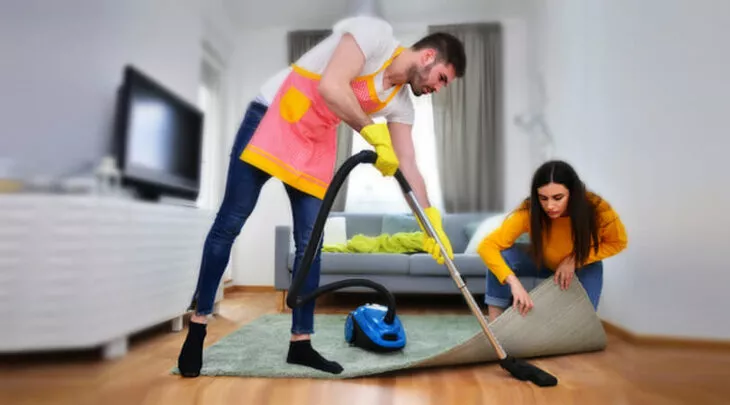
In the ever-evolving landscape of domestic care, the tension between efficiency and sustainability has taken center stage. On one hand, cleaning hacks—those clever shortcuts often shared online—promise speed, minimal effort, and instant gratification. On the other, the eco-friendly movement champions long-term stewardship, gentler ingredients, and conscious consumption. But when it comes to the daily realities of cleaning and maintenance, which approach truly works best?
The answer is neither entirely one nor the other. Rather, the most effective and responsible method often lies at the intersection of ingenuity and intention. To understand how to strike this balance, it helps to examine what each philosophy offers, where they fall short, and how they might serve you in different contexts.
The Allure of Cleaning Hacks
Cleaning hacks have surged in popularity thanks to social media platforms and the fast-paced culture they represent. These tips—ranging from using lemons to shine faucets to wrapping a cloth around a knife to clean window tracks—appeal to our desire for simplicity and speed. Who wouldn’t want to turn a dreaded task into a clever five-minute fix?
There’s an undeniable charm to the hack. It feels resourceful, a little rebellious, and often surprisingly effective. Many hacks rely on common household items, which can be both cost-effective and convenient. Baking soda and vinegar, for example, have become the darlings of the DIY cleaning world, used in everything from drain unclogging to surface scrubbing.
But the allure of the hack can sometimes be misleading. Not all tricks are as effective as they claim, and a few can even cause damage. The homemade cleaning paste that shines your stainless steel today may degrade the finish over time. Certain combinations—like vinegar and castile soap—may look promising but actually neutralize each other and diminish cleaning power. Furthermore, hacks often focus on the symptoms of a mess, not the source, and rarely address preventive maintenance.
In short, cleaning hacks are best thought of as enhancements, not foundations. They can elevate your routine but shouldn’t entirely replace a thoughtful approach to cleaning and upkeep.
The Case for Eco-Friendly Cleaning
The eco-friendly cleaning movement, by contrast, is rooted in sustainability, health, and long-term impact. It’s not just about what works in the moment, but what works for your home, your family, and the planet in the years to come. Eco-conscious cleaning practices emphasize natural ingredients, reusable materials, and non-toxic formulations. Think glass spray bottles filled with essential oil solutions, microfiber cloths that replace paper towels, or enzyme-based cleaners that gently break down grime without harsh fumes.
The benefits are compelling. Eco-friendly products are generally safer for children, pets, and allergy-sensitive individuals. They reduce your environmental footprint by minimizing chemical runoff, single-use plastics, and air pollution. And perhaps most significantly, they encourage a more mindful relationship with your environment—where cleaning is not just a chore, but a contribution to the health of your space.
However, eco-friendly methods do have their limitations. They sometimes lack the brute strength of chemical-based commercial cleaners, especially in heavy-duty situations like mold removal or grease buildup. They also require a level of commitment—learning which ingredients truly work, understanding proper usage, and sometimes sacrificing the immediate satisfaction of a synthetic lemon-scented spray.
Still, the long-term advantages are difficult to ignore. When adopted consistently, eco-friendly practices cultivate a kind of resilience in the home: fewer toxins, better air quality, and surfaces that are cleaned with care rather than stripped with force.
Where the Two Approaches Meet
The best cleaning and maintenance strategies borrow the cleverness of hacks and the consciousness of eco-friendly living. In fact, many of the most effective cleaning techniques are both efficient and environmentally sound. The use of white vinegar to descale a kettle is a prime example. It’s fast, simple, non-toxic, and leaves no chemical residue. Similarly, using an old toothbrush to scrub tile grout is a repurposing hack that avoids waste while being surprisingly effective.
What truly matters is the mindset. Are you using a hack to cut corners, or to creatively solve a problem? Are you adopting eco-friendly products because they’re trendy, or because you value their deeper purpose? When both innovation and intention are present, your cleaning routine becomes not just effective, but meaningful.
Tailoring Your Approach to Your Space
The ideal method also depends heavily on context. In a busy household with children or elderly residents, eco-friendly methods may be the preferred baseline, given their safety and gentleness. In contrast, a commercial kitchen or workshop may occasionally require faster, stronger interventions that lean on hacks or conventional products.
Frequency plays a role, too. Daily maintenance—such as wiping counters, mopping lightly used floors, or dusting—can almost always be handled with eco-conscious tools. But for quarterly deep cleans or dealing with unexpected messes, a few well-researched hacks can save time and frustration.
Ultimately, successful maintenance is about consistency. Whether you prefer the homemade elegance of a lemon-and-baking soda paste or the dependable utility of a refillable eco-cleaning spray, the goal is the same: a space that supports your wellbeing and reflects your respect for it.
The Long Game: Building Habits, Not Just Hacks
Perhaps the greatest distinction between the two philosophies lies in their timeframes. Hacks are about the now—quick fixes, immediate results. Eco-friendly cleaning is about the future—sustainable choices, enduring practices. Both have their place, but only one builds habits that can scale and sustain over time.
This doesn’t mean you must abandon every shortcut. Rather, consider viewing hacks as tools within an eco-conscious framework. Embrace the speed and satisfaction of a clever trick, but ground it in a broader ethic of care, responsibility, and awareness.
Conclusion: Making It Work for You
So, what works best in cleaning and maintenance—clever hacks or eco-friendly practices? The truth is, it’s not a binary choice. It’s a nuanced blend. The trick is not to fall wholly into one camp but to draw from both, applying the principles that best align with your values, your time, and your home’s unique needs.
In doing so, you’ll not only create a cleaner, safer environment—you’ll elevate the task of cleaning itself into an act of thoughtful, purposeful living. And in a world too often filled with noise and clutter, that might be the most powerful clean of all.