

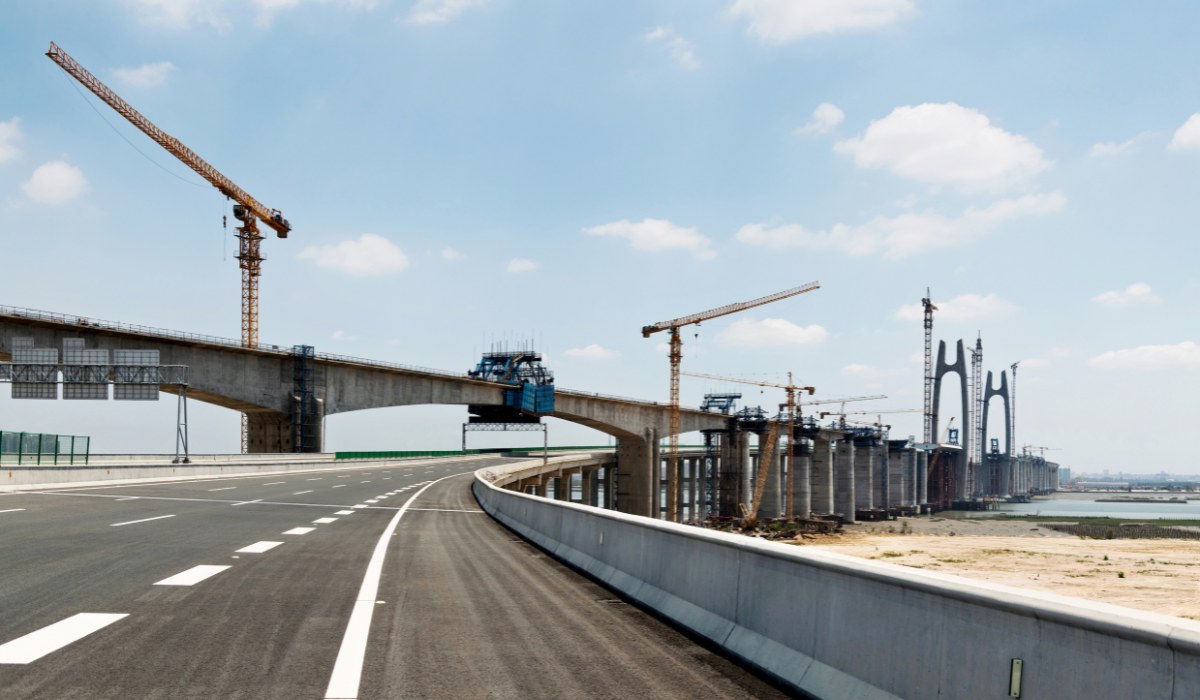
Infrastructure development plays a decisive role in shaping real estate markets. Roads, transit networks, utilities, and civic amenities influence how people live, commute, and invest. When connectivity improves and services expand, surrounding areas often witness measurable increases in property demand and value.
Understanding the relationship between infrastructure growth and property appreciation helps investors, homeowners, and planners make informed decisions that align with long-term urban expansion trends.
What Counts as Infrastructure in Real Estate Growth
Infrastructure refers to the essential physical systems that support everyday life and economic activity. These systems determine accessibility, livability, and commercial viability of a location.
Key categories include:
- Transport infrastructure such as highways, metro rail corridors, flyovers, airports, and railway stations
- Social infrastructure including schools, hospitals, and public parks
- Utility infrastructure such as water supply, electricity, sewage systems, and broadband connectivity
- Commercial infrastructure like business districts, retail zones, and industrial corridors
Each of these elements contributes directly or indirectly to property value appreciation.
How Connectivity Drives Property Value Growth
Improved connectivity is one of the strongest triggers for real estate appreciation. When commuting becomes faster and more predictable, both residential buyers and businesses prefer the area.
Major impacts include:
- Reduced travel time to employment hubs
- Increased rental demand from working professionals
- Higher interest from developers launching new projects
- Improved resale liquidity for existing properties
Properties located near metro stations or expressways often experience early price appreciation even before infrastructure becomes operational.
Role of Transport Corridors in Expanding Investment Zones
Transport infrastructure reshapes city boundaries by converting peripheral areas into emerging investment corridors. Once a region becomes accessible, developers begin introducing housing clusters and commercial complexes.
Typical outcomes include:
- Transformation of suburbs into growth nodes
- Creation of new micro markets
- Increase in land absorption rates
- Expansion of urban footprint beyond traditional city centers
Investors who identify these corridors early often benefit from higher long-term returns.
Impact of Social Infrastructure on Livability and Demand
Residential buyers prioritize access to schools, hospitals, and recreation facilities when choosing locations. Social infrastructure improves everyday convenience and strengthens community appeal.
This leads to:
- Stronger end user demand
- Higher occupancy levels
- Reduced vacancy risk
- Increased rental stability
Areas with balanced residential and social infrastructure tend to sustain steady appreciation rather than short-term speculative spikes.
Utility Infrastructure as a Foundation for Sustainable Appreciation
Reliable utilities are essential for long-term property value stability. Locations lacking basic services often struggle to maintain price momentum even if connectivity improves.
Critical utilities influencing property appreciation include:
- Continuous water supply
- Stable electricity distribution
- Efficient drainage systems
- High speed internet connectivity
Modern buyers increasingly evaluate infrastructure readiness before committing to purchases.
Commercial Development and Employment Generation Effects
Employment opportunities act as a catalyst for housing demand. When business districts expand near infrastructure corridors, they attract workforce migration and increase housing absorption.
This results in:
- Growth in rental markets
- Rise in serviced apartment demand
- Increased demand for affordable housing near job clusters
- Strong appreciation in mixed use developments
Commercial infrastructure strengthens the long-term economic viability of surrounding residential zones.
Influence of Government Policy and Smart City Initiatives
Urban development policies significantly influence infrastructure expansion timelines and property value trends. Planned development programs often create structured growth corridors rather than scattered expansion patterns.
Government led initiatives typically encourage:
- Transit oriented development
- Integrated townships
- Industrial corridors
- Digital infrastructure upgrades
Such initiatives enhance investor confidence and improve market predictability.
Infrastructure Timing and Appreciation Cycles
Property appreciation linked to infrastructure follows predictable stages. Investors who understand these phases can make more strategic decisions.
Typical appreciation cycle stages include:
- Announcement stage where speculation begins
- Construction phase where investor interest rises
- Completion stage where end user demand increases
- Operational phase where long term price stability develops
Early stage investments usually carry higher risk but offer stronger appreciation potential.
Risks Associated With Infrastructure Driven Speculation
While infrastructure boosts property values, not every project delivers expected returns within projected timelines. Investors should assess execution risks carefully.
Common concerns include:
- Project delays
- Land acquisition disputes
- Policy changes
- Over supply in surrounding micro markets
Evaluating project credibility and implementation progress helps reduce investment uncertainty.
Long Term Benefits of Infrastructure Led Urban Expansion
Sustained infrastructure growth contributes to balanced city development. It improves accessibility across regions and distributes economic activity beyond congested central zones.
Long term advantages include:
- Better urban mobility
- Higher employment opportunities
- Improved housing availability
- Stable property appreciation patterns
Cities with continuous infrastructure investment generally demonstrate stronger and more resilient real estate markets.
FAQ Section
How early should investors buy property near upcoming infrastructure projects
Investing during the announcement or early construction phase often offers better appreciation potential, but investors should verify project feasibility and execution timelines before committing funds.
Do metro rail projects always increase nearby property prices
Metro projects usually improve accessibility and demand, but appreciation depends on surrounding development quality, population density, and commercial activity levels.
Is airport connectivity important for residential property appreciation
Airport connectivity improves regional accessibility and boosts commercial activity, which can indirectly increase residential demand in nearby corridors.
Can infrastructure development reduce investment risk in real estate
Infrastructure improves liquidity and demand stability, but investment risk still depends on project execution quality and broader market conditions.
Does infrastructure development benefit rental income as well as resale value
Yes, improved connectivity and employment access typically increase tenant demand, which strengthens rental yields alongside capital appreciation.
Are highway projects better than metro corridors for property appreciation
Both influence property values differently. Highways expand suburban growth zones, while metro corridors strengthen urban connectivity and daily commuting convenience.
How can buyers verify whether infrastructure projects will be completed on time
Buyers should review government announcements, project authority updates, contractor track records, and construction progress before making investment decisions.