

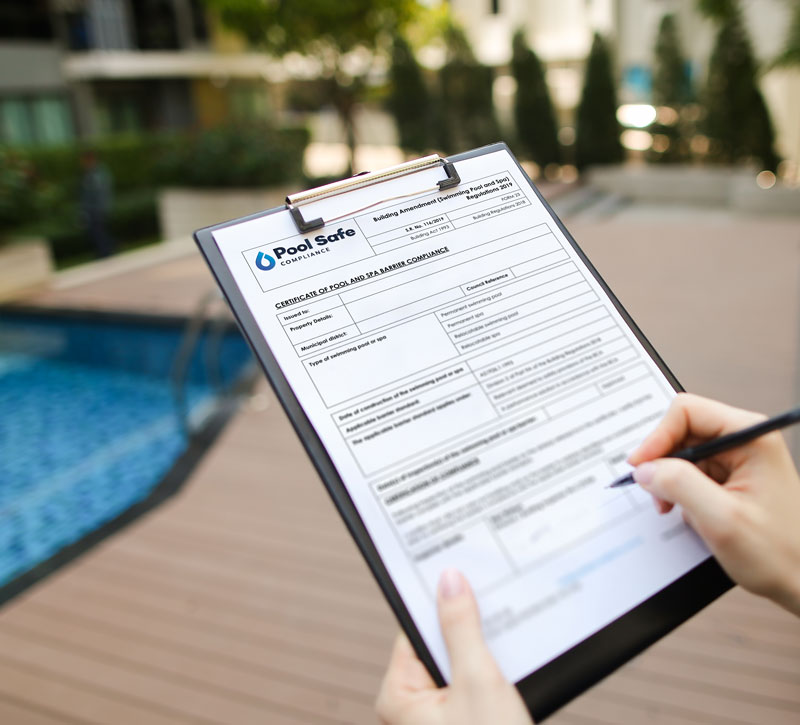
Pool safety regulations in Australia are stringent and for good reason. Every year, drowning incidents remind us why proper pool compliance isn’t optional—it’s essential. If you own a swimming pool or spa, understanding the certification process can save you from hefty fines and, more importantly, protect lives.
The responsibility falls on pool owners to ensure their facilities meet Australian safety standards. However, the process involves working with a qualified pool certifier who can assess your pool area and provide the necessary documentation. These professionals play a vital role in maintaining community safety standards.
Getting your pool certified might seem complex, but breaking it down into manageable steps makes the process straightforward. A pool certifier will guide you through the requirements, but knowing what to expect beforehand helps you prepare effectively.
Understanding Your Legal Obligations
Australian pool safety laws vary by state and territory, but all require compliance certificates for pools and spas. These laws typically apply to any body of water deeper than 300mm and capable of being filled to that depth. The regulations cover residential pools, spa pools, and even some portable pools.
Most states require pool safety certificates when selling or leasing a property. Some jurisdictions also mandate regular inspections every few years. Penalties for non-compliance can reach thousands of dollars, making certification a wise investment.
Step 1: Know Your Pool Safety Standards
Before scheduling an inspection, familiarise yourself with the specific requirements in your area. Generally, pools must have appropriate barriers, self-closing and self-latching gates, and compliant pool fencing. The barrier height, gap measurements, and gate specifications are precisely defined in Australian standards.
Pool equipment also needs proper safety switches and signage. These requirements exist to prevent unsupervised access, particularly by young children who are most at risk.
Step 2: Prepare Your Pool Area
Conduct a preliminary check of your pool barriers and gates. Look for gaps larger than 100mm, damaged fencing, or gates that don’t close or latch properly. Clear any objects near fences that children could use to climb over barriers.
Check that your pool gate opens outward and closes automatically. The latch should be positioned correctly and function smoothly. These simple preparations can prevent delays during the official inspection.
Step 3: Schedule Your Inspection
Contact a licensed pool safety inspector in your area. Book your appointment well in advance, as demand for these services often exceeds availability, especially during peak selling seasons.
Provide the inspector with relevant details about your pool, including its age, type, and any recent modifications. This information helps them prepare for the inspection and bring appropriate equipment.
Step 4: Complete the Inspection Process
During the inspection, the professional will thoroughly examine all safety features. They’ll measure gaps, test gate mechanisms, and check compliance with current standards. The process typically takes 30-60 minutes depending on your pool’s complexity.
If your pool passes inspection, you’ll receive your compliance certificate. If issues are identified, you’ll get a detailed report outlining required repairs before re-inspection.
Following these steps ensures your pool meets safety standards while protecting your family and community.